
Strawberry tree
Arbutus unedo L.
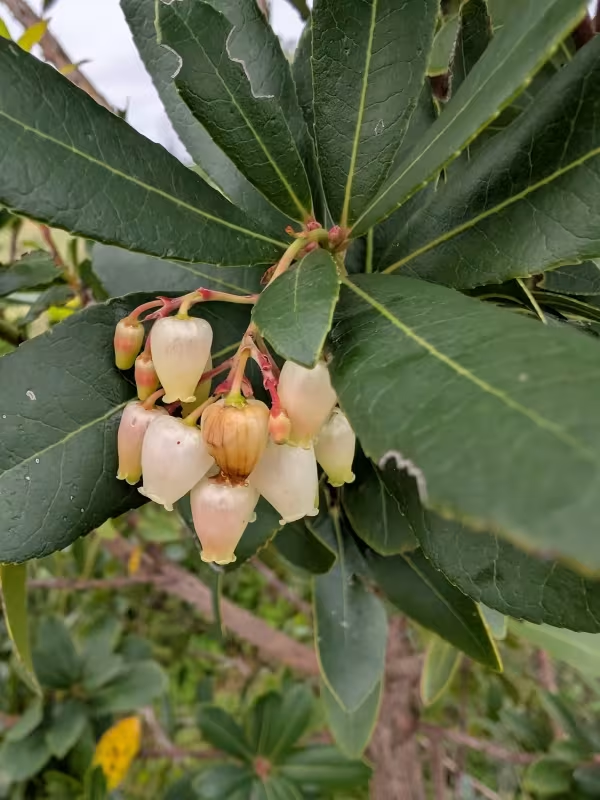
Description
Sowing dates
Propagation of the strawberry tree is primarily achieved through seeds or semi-hardwood cuttings. Seeds require a period of cold stratification to break dormancy and ensure uniform germination.
Sowing should take place in early spring using a well-drained, sterile seed-starting mix. Maintain a consistent temperature of around 20 degrees Celsius to facilitate the growth of seedlings.
When using cuttings, it is essential to take 10-15 cm segments in late summer. Using a rooting hormone will significantly increase the success rate of the propagation process.
Young plants are sensitive to root disturbance and should be carefully transplanted into larger containers before being eventually moved to their final growing site.
Direct seeding in the field is rarely practiced for this species, as controlled environment propagation offers much higher survival rates for young trees.
Growing requirements
The strawberry tree belongs to the Ericaceae family and thrives in acidic to neutral, well-draining soils. It is particularly intolerant of heavy, waterlogged clay soils.
As a Mediterranean native, it requires a sunny position with some protection from strong, cold winds to prevent foliage damage during the winter months.
While the tree is considered drought-tolerant once established, supplemental irrigation is necessary during the first few years of growth and during prolonged dry spells.
It is capable of surviving light frosts down to -10 degrees Celsius, but in colder climates, it must be grown in containers and moved indoors or into a greenhouse.
Regular mulching with organic matter helps retain moisture and provides the necessary nutrients that this slow-growing evergreen species requires to thrive.
Yield
Yield production begins once the tree reaches maturity, typically between four to six years after planting, depending on climate and soil fertility.
The plant is unique because it often displays flowers and ripe fruit simultaneously, creating a stunning visual effect throughout the late autumn and winter seasons.
The fruits are round, berry-like drupes with a textured surface that turns bright red when fully ripe. They have a pleasant, mild, and sweet-tart flavor profile.
While fresh consumption is possible, the fruit is most commonly harvested for commercial use in jellies, jams, syrups, and the production of artisan wines.
The overall yield per tree is moderate, and consistent harvesting over several weeks is required to capture all the fruit as it reaches the peak of ripeness.
Main diseases and pests
Arbutus unedo is generally robust, but it can be susceptible to fungal issues such as leaf spot, especially in environments with high humidity and poor airflow.
Scale insects and mealybugs are the most common pests, which can drain the plant's vitality and lead to the development of secondary sooty mold growth.
Maintaining a clean growing area and performing regular pruning to open up the canopy are effective cultural methods for preventing most pest and disease problems.
In cases of severe infestation, horticultural oils or systemic fungicides may be required to protect the health and productivity of the tree.
Regular monitoring of the foliage and stems is recommended to catch potential issues early before they impact the fruit production and plant vigor.
Harvesting
Harvesting strawberry tree fruit requires a delicate touch as the ripe berries are soft and highly prone to bruising during the picking process.
Berries should be picked individually as they develop a deep, vibrant red color, which is the clear indicator of peak ripeness and flavor maturity.
Because the fruit has a very short shelf life once harvested, it should be processed or refrigerated immediately to maintain its culinary quality.
For large-scale harvesting, shallow containers are used to prevent the crushing of the berries located at the bottom of the harvest pile.
Proper harvest logistics are essential, as the fruits begin to ferment naturally within a few days if not kept in a cool, well-ventilated storage environment.