
Sutchuen rhododendron
Rhododendron sutchuense
Description
Growing requirements
The Sutchuen rhododendron (Rhododendron sutchuense) is a distinguished member of the Ericaceae family, native to the high-altitude forested regions of the Sichuan province in China. This species is valued for its evergreen foliage and significant height, often growing as a large, stately shrub.
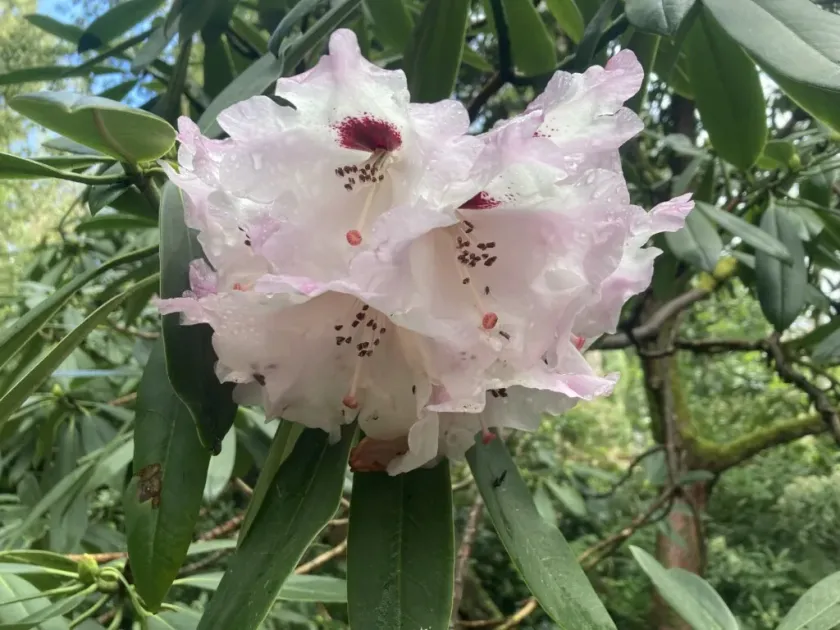
Botanically, this rhododendron is recognized by its large, elongated leaves and distinctive, open-bell-shaped flowers that appear in early spring. The blooms are typically light pink or lavender, creating a dramatic visual impact against the deep green, leathery foliage of the plant.
Successful cultivation requires a location that mimics its native mountain habitat, specifically partial shade to prevent leaf scorch. The environment must be protected from prevailing winds, which can cause severe desiccation to the evergreen leaves during both winter and summer months.
Soil conditions are critical for this species, requiring a highly acidic, well-draining substrate rich in organic matter. A mixture of peat moss, pine needles, and sand provides the necessary aeration and moisture retention that the fibrous, shallow root system demands to remain healthy.
Maintenance practices involve consistent irrigation using soft, non-alkaline water to prevent pH drift. Applying a layer of acidic mulch, such as wood chips or pine bark, is essential to stabilize soil temperatures and conserve moisture, promoting vigorous growth throughout the season.
Main diseases and pests
Common health issues in Rhododendron sutchuense are often linked to improper drainage, which leads to root rot pathogens like Phytophthora. These soil-borne fungi thrive in waterlogged conditions, frequently resulting in rapid wilting and decline of the shrub.
Pest pressures are primarily caused by the rhododendron leafhopper and spider mites. These pests pierce the leaf tissue to feed on plant sap, leading to stippling, chlorosis, and reduced photosynthetic capacity, which weakens the specimen over time if left untreated.
Nutritional deficiencies, manifesting as iron chlorosis, are common when soil pH rises above the optimal range. This chemical imbalance prevents the plant from absorbing necessary micronutrients, turning leaves yellow while veins remain green, which requires immediate soil acidification.
Winter protection is necessary in temperate climates, particularly for younger specimens whose flower buds are sensitive to late frost. Wrapping the plants in breathable horticultural fleece helps mitigate the effects of temperature drops and protects the foliage from windburn.
In terms of хозяйственное (horticultural) use, this rhododendron is a premier choice for specimen planting in large gardens and botanical collections. Its size and early flowering period make it a centerpiece in woodland landscapes, offering year-round structure and seasonal floral display.