
Strawberry tree hybrid
Arbutus hybrids
Description
Growing requirements
The hybrid strawberry tree (Arbutus hybrids) belongs to the Ericaceae family. It is an ornamental and fruit-bearing evergreen that results from crosses between different Arbutus species, such as A. unedo and A. andrachne.
The plant thrives in Mediterranean-type climates, requiring mild winters and warm, sunny summers. While the hybrids are generally hardier than pure species, they still prefer protection from harsh frost and freezing winds.
Soil requirements are specific: the substrate must be acidic to neutral and, above all, well-draining. Heavy, waterlogged soils are detrimental to the root system and must be amended with organic matter or sand before planting.
Sunlight is critical for the tree's health and fruit quality. Full sun exposure ensures the development of the characteristic red berries and the distinctive reddish bark that makes these trees highly prized in landscaping.
Regular maintenance includes irrigation during prolonged dry spells, especially for young trees. Mulching is recommended to retain soil moisture and stabilize the root zone temperature throughout the year.
Yield
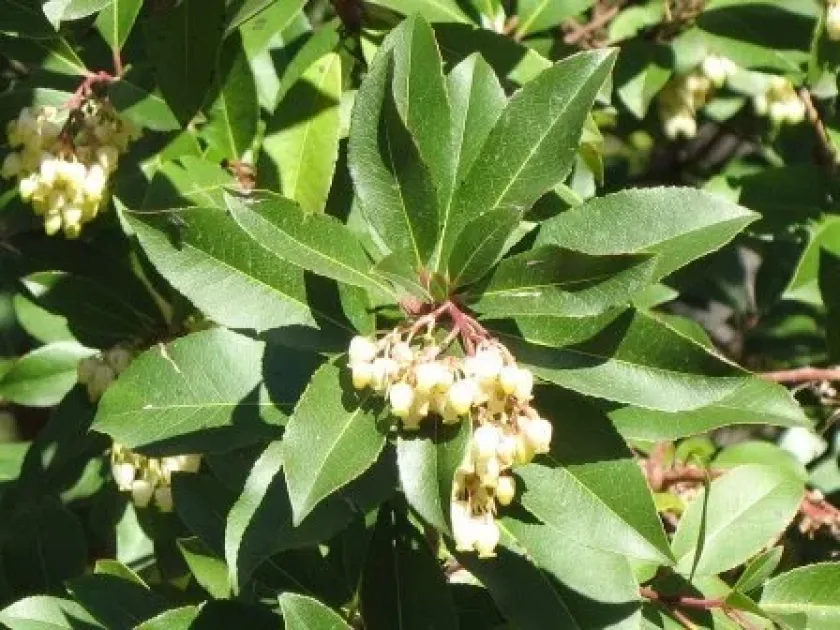
Fruit production typically begins 4–6 years after planting. The tree is known for its unique botanical trait of carrying both white, bell-shaped flowers and mature, strawberry-like fruits simultaneously.
A mature, healthy specimen can yield between 10 and 15 kilograms of fruit per season. The berries are sweet, rich in pectin, and offer a unique culinary profile that is increasingly popular in gourmet kitchens.
Apart from fresh consumption, the fruits are processed into jams, marmalades, and various liqueurs. They are also considered high-value ingredients due to their natural antioxidant content.
While not a major commercial crop, these hybrids are gaining traction in small-scale organic farming. The lack of standardized harvest methods contributes to the premium price of the fruits on the market.
Wood from these hybrids is dense and decorative, providing a secondary stream of value. This makes the tree a multi-purpose agricultural asset for smallholder growers.
Main diseases and pests
Fungal diseases such as leaf spot (Septoria) and anthracnose are the primary concerns for growers, especially in regions with high humidity. Proper air circulation and preventive fungicide applications are essential.
Root rot, often caused by Phytophthora species, is a serious threat in poorly drained soils. Avoiding over-irrigation is the most effective way to prevent this silent killer of the trees.
Pests like aphids and scale insects can weaken the plant by feeding on the sap of young branches. Regular monitoring and the use of insecticidal soaps or oils are standard practices for pest control.
Extreme weather events, particularly unseasonal frosts, can cause significant damage to the canopy. Covering young plants with burlap or horticultural fleece is necessary for winter survival in marginal zones.
Integrated pest management (IPM) is highly effective for this crop. Encouraging beneficial insects, such as ladybugs, helps control aphid populations without the need for harsh synthetic chemicals.
Harvesting
Harvesting is a delicate process due to the extremely soft nature of the ripe fruits. They must be picked individually by hand to avoid bruising or crushing the berries.
Optimal ripeness is indicated by a deep red color and a slightly yielding texture when touched. Picking should take place in the early morning to ensure the fruits are cool when harvested.
Fresh shelf life is minimal, often lasting only 24 to 48 hours under room conditions. Rapid cooling is required to maintain quality before they reach the final consumer or processor.
- Use shallow baskets for collection.
- Avoid stacking fruits to prevent damage.
- Separate damaged fruits immediately.
- Maintain a temperature of 2–4 degrees Celsius.
For long-term usage, fruits can be dehydrated or preserved. Dried strawberry tree fruits retain a concentrated, pleasant sweetness and are highly stable for shipping and storage.