
Strawberry tree
Arbutus andrachne L.
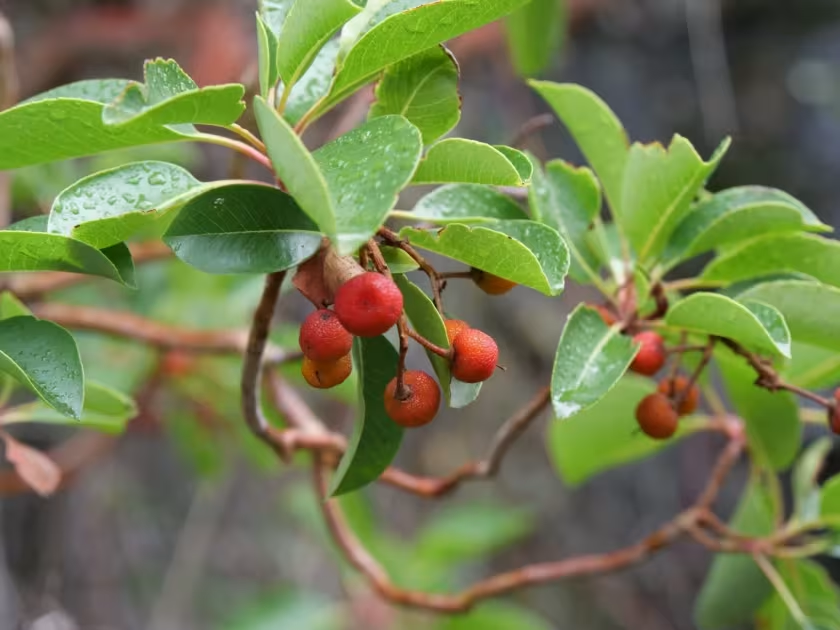
Description
Growing requirements
The Greek strawberry tree (Arbutus andrachne L.) is a stunning evergreen tree belonging to the Ericaceae family. It is widely recognized for its striking, smooth, reddish-brown bark that peels away periodically, revealing a fresh, lighter layer underneath.
Originating from the Mediterranean region, the Middle East, and parts of the Caucasus, this plant thrives in warm, temperate climates. It is best adapted to regions where winters are mild, as excessive frost can severely damage its evergreen canopy and branches.
For optimal growth, the strawberry tree requires full sun exposure. It is highly sensitive to shade, which can lead to sparse foliage and weak structural development. Ensuring the tree has ample access to light is the most important factor in its cultivation.
The ideal soil for Arbutus andrachne is well-drained, slightly acidic to neutral, and rich in organic matter. While it is somewhat drought-tolerant once established, it cannot withstand waterlogged conditions, which can quickly lead to root rot and tree death.
In terms of agricultural use, it is highly valued in horticulture for its ornamental appeal. Beyond its beauty, the tree produces edible, small fruits that are often harvested for local specialty products such as jams, jellies, and traditional spirits.
Main diseases and pests
Fungal pathogens represent the most significant threat to the health of the strawberry tree, especially in environments with high humidity. Leaf spot diseases are particularly common, appearing as dark patches on the foliage that can lead to significant leaf drop.
Powdery mildew is another recurring issue that affects tender young shoots during moist spring days. Pruning to maintain air circulation within the canopy is essential to minimize the humidity levels that favor the growth of these harmful fungi.
Scale insects are common pests that find refuge beneath the tree's peeling bark. These insects feed on the sap of the tree, weakening it over time and providing an entry point for secondary bacterial or viral infections if left untreated.
Aphids can cause damage to new growth, leading to stunted leaves and distorted shoots. Integrated pest management strategies, including the introduction of natural predators or the application of horticultural oils, are effective control measures.
Maintenance of tree vigor through appropriate fertilization and consistent monitoring for early signs of infestations is critical. Regular inspections allow growers to identify and address potential threats before they escalate into major problems for the entire orchard or garden.