
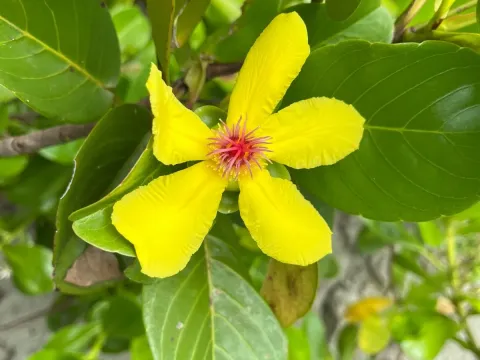
Red bush apple
Dillenia alata
Propagation of the red bush apple is typically achieved through seeds or semi-hardwood cuttings taken during the active growth season.
What the section contains
Red bush apple
Seeds should be sown in a well-drained, sterile potting mix and kept in a warm environment, ideally between 25 and 30 degrees Celsius, to ensure successful germination.
Keeping the medium consistently moist but not waterlogged is essential for the young seedlings until they develop a robust root system.
Cuttings require a high-humidity environment, often achieved using a plastic cover or a propagation chamber, to prevent desiccation during the rooting phase.
Once the saplings have reached sufficient size, they should be hardened off before being permanently planted in their designated locations.
Dillenia alata, a member of the Dilleniaceae family, thrives in tropical climates characterized by warm temperatures and consistent rainfall throughout the year.
The plant requires full sun to partial shade, with deep, nutrient-rich soil that has excellent drainage to support its rapid growth habit.
Climate adaptability is limited, as the species is highly sensitive to frost and extreme cold; it is best suited for zones with stable tropical conditions.
Regular irrigation is necessary, especially during dry spells, to maintain the health of its large, glossy leaves and ensure continuous development.
Soil pH should ideally be slightly acidic, mirroring the conditions found in its native habitat within the northern forests of Australia and Indonesia.
The red bush apple is generally robust, but it can be susceptible to common garden pests like scale insects and mealybugs when stressed by environmental conditions.
Root rot is a significant risk in poorly drained soils, often exacerbated by over-irrigation or lack of proper aeration in the root zone.
Fungal leaf spot can occur in areas with poor airflow and high humidity, which can be mitigated by proper pruning to open up the canopy.
Regular monitoring of the foliage is recommended to spot early signs of infestation and address them before they compromise the plant's health.
Using horticultural oils or integrated pest management strategies can effectively control minor outbreaks without harming the plant's delicate tissues.
The tree is prized primarily for its striking ornamental value, featuring large, yellow flowers and unique red, winged petioles that provide year-round interest.
The fruits, although edible, are more commonly appreciated by local wildlife, such as birds and fruit bats, which contribute to the local ecosystem.
Timber from mature trees can be utilized in small-scale woodworking, valued for its density and reddish hues in crafted items.
Selective harvesting of parts for ornamental use, such as foliage for arrangements, is possible, provided the tree's structure is not significantly compromised.
Overall, Dillenia alata remains a valuable species for tropical garden design and biodiversity enhancement in its native ranges.