
Tetracera alnifolia
Tetracera alnifolia
Description
Growing requirements
Tetracera alnifolia is a distinctive species within the Dilleniaceae family, primarily native to the tropical forests and shrublands of Western and Central Africa. It typically exhibits a scrambling or climbing growth habit, thriving in the warm, humid climate of the tropical belt.
The plant demonstrates a preference for well-drained, acidic to neutral soils that are rich in organic matter. While it is highly tolerant of various tropical conditions, it performs optimally in environments with consistent rainfall and high atmospheric humidity.
Light requirements for this species vary depending on the growth stage; younger plants benefit from partial shade, while established individuals can adapt to brighter, more open forest edges and clearings.
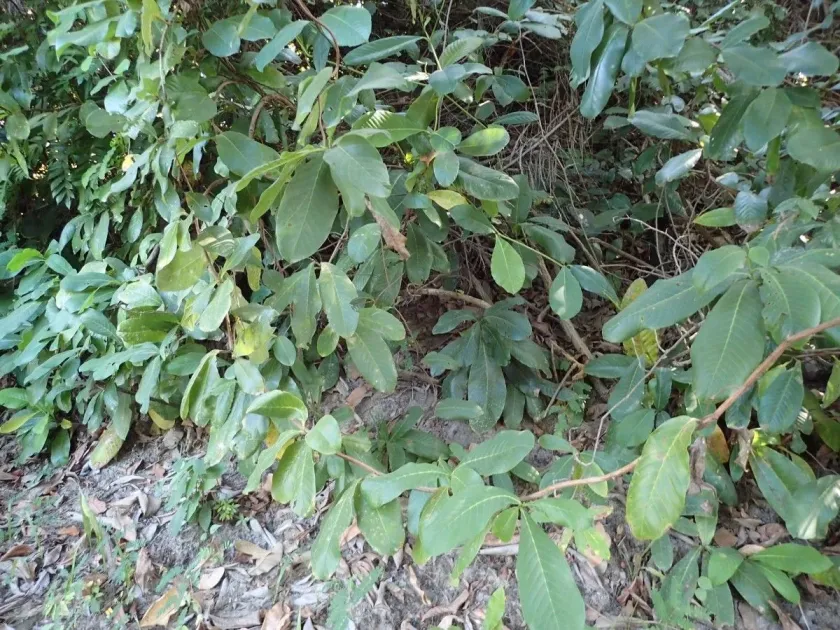
The morphological characteristics of Tetracera alnifolia include its characteristic leathery, scabrous leaves and clusters of fragrant, white flowers. These features contribute to its resilience in its native ecosystem and its ecological role as a nectar source for local pollinators.
In terms of human use, the plant is historically valued for its medicinal properties. Traditional practitioners utilize its extracts to address various ailments, highlighting the cultural and economic importance of the species within local African communities.
Main diseases and pests
Diseases affecting Tetracera alnifolia are often related to excessive moisture in the rhizosphere, which can promote root rot and stem decay if the soil structure does not provide adequate drainage during rainy seasons.
Pest pressure is primarily driven by sap-sucking insects, including mealybugs and scale insects, which can cause significant stunted growth if left unmanaged in nursery or agricultural settings.
Foliar diseases, such as fungal leaf spots, may emerge during periods of stagnant air and prolonged moisture, necessitating adequate spacing between individual plants to promote good ventilation.
Caterpillars and certain coleopteran species are known to occasionally feed on the foliage, though rarely reaching levels that threaten the overall survival of healthy, established specimens.
Effective management involves integrated pest management strategies, such as physical removal of pests, environmental manipulation to reduce humidity around the canopy, and the use of targeted biological control agents.