
Portulacaria
Portulacaria
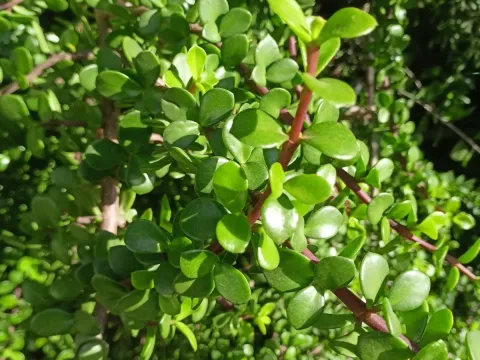
Portulacaria is a genus of succulent plants within the Didiereaceae family. Originating from the arid regions of Southern Africa, these plants have evolved specialized mechanisms to thrive in environments characterized by long periods of drought and high solar radiation.
What the section contains


Portulacaria
The primary requirement for this crop is abundant sunlight, which is essential for maintaining compact growth and ensuring the health of the succulent stems. Low light exposure leads to etiolation, significantly weakening the plant's structural integrity.
Soil composition must prioritize drainage to prevent moisture stagnation. The optimal medium consists of a well-aerated mixture of gritty, mineral-based components, such as perlite or coarse sand, combined with minimal organic matter.
Environmental conditions require warm temperatures during the active growth phase, while a period of cool winter dormancy is highly beneficial. Maintaining temperatures between 10-15 degrees Celsius in winter simulates its native habitat and promotes future resilience.
Agrotechnical management focuses on precise irrigation. The soil should be allowed to dry out completely between waterings. Excessive watering, particularly during lower temperature periods, significantly increases the risk of mortality in these succulents.
The most common pests affecting Portulacaria include mealybugs and spider mites. These pests thrive in environments with poor ventilation or low humidity levels, often targeting the junction of leaves and stems to feed on plant sap.
Root rot is the most devastating disease for this crop. It is almost exclusively caused by overwatering or the use of heavy, poorly draining soils that prevent the root system from accessing necessary oxygen.
Pest management involves regular visual inspections and the immediate application of appropriate acaricides or systemic insecticides. Maintaining good hygiene by removing leaf debris helps minimize the sites where pests can hide.
Disease prevention is primarily achieved through strict irrigation control. Utilizing a well-draining substrate ensures that the risk of pathogens associated with damp soil is kept to a functional minimum for the plant's long-term health.
Should the plant become infected, it is advisable to trim damaged roots and repot the specimen into fresh, dry soil. With proper care and the removal of the pathogen source, the plant generally exhibits strong regenerative capabilities.