
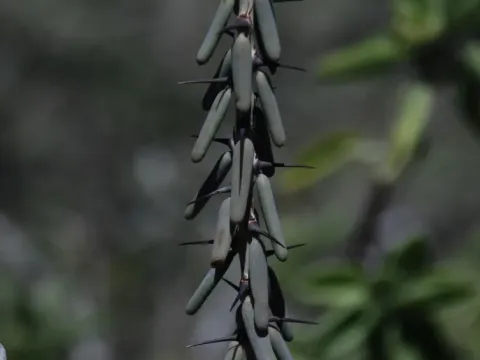
Alluaudiopsis
Alluaudiopsis
Alluaudiopsis is a genus of succulent plants belonging to the Didiereaceae family. These plants are endemic to Madagascar, specifically adapted to the arid and semi-arid regions of the island.
What the section contains


Alluaudiopsis
The culture demands extremely high light intensity to maintain its compact growth form and prevent etiolation. It thrives in well-draining, rocky soil mixtures that mimic its natural stony habitat.
Botanically, these plants are known for their shrub-like structure and heavily armed stems with sharp thorns. These adaptations allow the plant to store water efficiently while deterring herbivores in the wild.
Agricultural management is strictly centered on the seasonal cycle. Growers must provide a warm, dry growing season and a cool, completely dry dormancy period to mimic the Malagasy climatic rhythm.
The primary use of Alluaudiopsis is in specialized ornamental horticulture. It is highly sought after by collectors of rare succulent flora and is a staple in botanical gardens focusing on xerophytic plants.
The primary threats to Alluaudiopsis in controlled environments are fungal pathogens caused by excessive soil moisture and poor ventilation.
Common pests include mealybugs and spider mites, which can easily hide within the spiny architecture of the stems, making them difficult to detect early.
Root rot is the most common fatal issue, typically resulting from overwatering during the dormant winter phase when the plant is not actively consuming water.
Proactive management includes the use of porous mineral substrates and consistent inspection of the stem base for any signs of discoloration or softening.
If an infestation occurs, systemic insecticides or horticultural oils are recommended, provided the plant is in its active growth phase.