
Microlepia
Microlepia
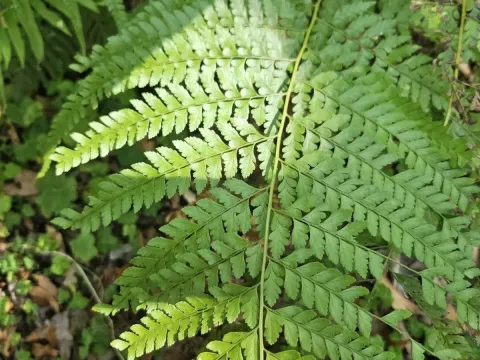
Microlepia is a genus of ferns belonging to the Dennstaedtiaceae family. These plants are native to tropical and subtropical regions of Asia, where they thrive in the understory of humid forests, benefiting from indirect light and high levels of atmospheric moisture.
What the section contains


Microlepia
To successfully cultivate Microlepia, one must maintain high relative humidity around the plant. It is highly recommended to use pebble trays with water or mechanical humidifiers, especially during winter months when indoor heating significantly reduces humidity levels.
The ideal temperature range for this fern is between 18 and 24 degrees Celsius. Microlepia is sensitive to thermal shock and drafts, so it should be placed in a stable environment away from windows that are frequently opened or direct heating vents.
Soil composition should be based on a high-quality peat mix that provides excellent drainage while retaining some moisture. Incorporating perlite or horticultural charcoal into the substrate is essential to prevent soil compaction and ensure healthy rhizome development.
Watering frequency depends on the evaporation rate of the growing medium. The surface should be allowed to dry slightly before the next watering, but the substrate must never dry out completely, as this quickly leads to crispy foliage and irreversible browning of the fronds.
Common pests affecting Microlepia include spider mites, mealybugs, and scale insects. These pests often proliferate when the plant is stressed by low humidity or poor airflow, necessitating regular inspections and appropriate biological or chemical treatments.
Pathogenic threats primarily involve root rot and other fungal issues caused by excessive water retention in the pot. Ensuring proper pot drainage and using high-quality potting media are the best preventative measures against these destructive conditions.