
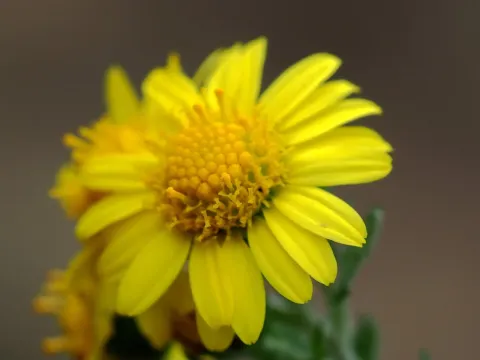
Dendranthema
Dendranthema
Dendranthema, commonly known as chrysanthemum, belongs to the Asteraceae family. It is a major commercial crop globally, primarily valued for its diverse floral structures and long vase life in the cut flower market.
What the section contains


Dendranthema
In professional agriculture, Dendranthema is propagated via vegetative cuttings taken from mother plants. This method ensures genetic uniformity and high-quality traits in subsequent plant generations.
Cuttings are usually taken in spring, requiring a consistent substrate temperature and high humidity to initiate rooting. Once rooted, young plants are transferred to larger containers or directly into the greenhouse soil.
The timing of planting depends on the specific variety's requirements regarding photoperiodism. Growers often manipulate lighting cycles to induce vegetative growth before triggering the flower development phase.
Continuous production models are employed in large-scale operations to ensure year-round availability. By rotating planting schedules, growers can maintain a steady supply of fresh flowers throughout the entire calendar year.
Dendranthema is highly sensitive to photoperiod, as most varieties are short-day plants. Light duration management is crucial; artificial shading is often used in greenhouses to induce budding at specific times.
The crop thrives in well-drained, fertile soil with a slightly acidic to neutral pH. Proper soil structure is essential to prevent waterlogging, which is a major precursor to root rot and other physiological disorders.
Optimal growth occurs between 18 and 25 degrees Celsius. Extreme temperatures can lead to deformed flowers or premature bolting, both of which severely diminish the commercial value of the final harvest.
Balanced fertilization is key to producing robust stems and vibrant blooms. Phosphorus and potassium are increased during the transition from the vegetative stage to the reproductive, or flowering, phase.
High humidity within the greenhouse must be managed via active ventilation. Adequate airflow is the most effective passive defense against the accumulation of pathogens on the foliage and within the canopy.
Aphids and thrips are the most common pests affecting Dendranthema. These insects not only damage plant tissue but also serve as vectors for various plant viruses, necessitating a strict integrated pest management strategy.
Powdery mildew is a prevalent fungal disease that thrives in humid, stagnant air conditions. It appears as a white, dusty layer on the leaves, which can reduce photosynthetic capacity if not treated promptly.
Botrytis, or gray mold, is a major threat to the blooms, especially during the final stages of maturity. It spreads rapidly in cool, damp conditions, often during transport or storage if humidity levels are not controlled.
Root-knot nematodes can significantly impact crop vitality by disrupting nutrient and water uptake. Soil sterilization between crop cycles is a standard practice to prevent infestation in greenhouse environments.
- Monitoring: Use of pheromone and sticky traps.
- Sanitation: Removal of infected debris.
- Chemical: Targeted fungicide application.
Harvesting Dendranthema is performed when the blooms reach the semi-open stage. Harvesting at the correct maturity ensures that flowers continue to develop while in transit to the market.
Operations are typically conducted early in the morning to maximize the turgor pressure of the stems. Stems that are harvested while fully hydrated exhibit better resistance to wilting after cutting.
Post-harvest processing involves stripping lower leaves and grading the stems by length and bud maturity. Uniformity in grading is essential for meeting the high standards of the international flower trade.
Cooling is critical to extend the shelf life of the cut flowers. Stems should be moved to cold storage (2–5 degrees Celsius) as quickly as possible to suppress metabolic activity and prevent degradation.
By following strict temperature and water quality protocols during the post-harvest phase, growers can significantly extend the vase life, ensuring the best possible experience for the end consumer.