
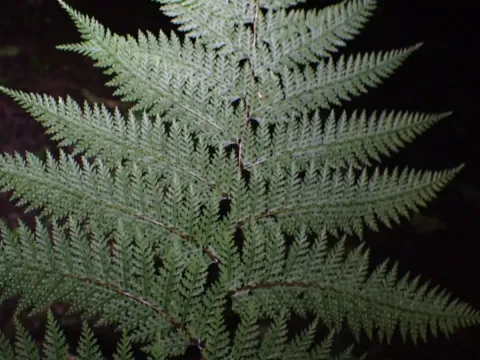
Dennstaedtia
Dennstaedtia
Dennstaedtia is a genus of perennial ferns belonging to the family Dennstaedtiaceae. These plants are native to a wide range of tropical and temperate environments, often thriving in the shaded understory of forests.
What the section contains


Dennstaedtia
The plant features creeping rhizomes, which allow it to spread efficiently across the substrate. Its fronds (leaves) are typically tripinnate or more complex, creating a lush, lacy appearance that is highly valued in botanical gardens and shaded landscape designs.
Cultivation requires a specific set of environmental conditions, primarily focusing on moisture and shade. The soil should be well-drained, rich in organic matter, and slightly acidic to neutral in pH to support vigorous rhizome development.
Direct sunlight is generally detrimental to Dennstaedtia, as it causes leaf scorch. Providing a site with consistent shade or dappled light is essential for maintaining the health and vivid green coloration of the fronds.
Propagation is most effective when done via rhizome division during the dormant or early growth season. Ensuring sufficient space for the rhizomes to spread is key to successfully establishing a ground cover of this fern species.
Dennstaedtia is susceptible to various fungal pathogens if air circulation is poor and humidity levels remain stagnant. Root rot is a common issue triggered by overwatering or compacted soil that does not drain properly.
Pests such as spider mites and scale insects can infest the fronds, especially in greenhouse environments or during periods of low humidity. These pests can cause significant yellowing and eventual browning of the leaves.
Effective management includes regular inspection of the fronds and the application of horticultural soaps if an infestation is detected. It is crucial to maintain good hygiene in the garden by removing dead or decaying organic matter.
Proper spacing between plants is critical to prevent the rapid spread of diseases. If signs of a fungal infection appear, affected foliage should be pruned immediately to halt the cycle of transmission.
Consistent monitoring and maintaining optimal environmental conditions serve as the primary defense against most pests and diseases common to this hardy yet sensitive ornamental genus.