
Microlepia speluncae
Microlepia speluncae
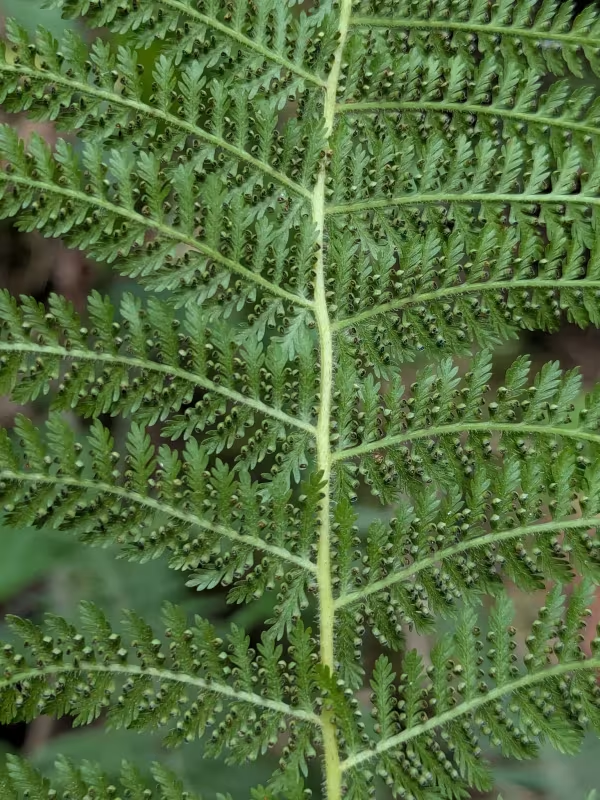
Description
Growing requirements
Microlepia speluncae is a robust species of fern within the Dennstaedtiaceae family, widely recognized for its lacy, delicate foliage. Originating from tropical habitats, it thrives in warm, humid conditions, making it a popular choice for indoor horticulture and shaded garden landscapes.
The plant requires a consistent temperature range between 20°C and 25°C to maintain healthy growth. It is highly sensitive to cold drafts and sudden drops in temperature, which can result in leaf shed and growth inhibition during the dormant cycle.
Soil requirements involve a nutrient-rich, well-draining substrate. A mix of peat moss, pine bark, and perlite provides the necessary structure to support the rhizomes while ensuring that air can reach the root system, preventing compaction and rot.
High humidity is essential for the aesthetic development of the fronds. In artificial indoor environments, supplemental misting or the use of pebble trays filled with water is recommended to maintain a localized humidity level of at least 60%.
Light management is crucial, as Microlepia speluncae prefers indirect, filtered sunlight. Direct exposure will quickly scorch the fine foliage, so placement near north-facing windows or under a protective canopy in a greenhouse environment is considered ideal for commercial cultivation.
Main diseases and pests
Pest management primarily involves controlling mealybugs and scale insects, which often hide along the rachis of the fern. Regular inspection and the application of horticultural oils or gentle soap solutions are effective methods for containment.
Spider mites are a significant threat during periods of low humidity. These pests thrive in dry air, causing the fronds to lose their luster and eventually turn yellow; maintaining high humidity is the most effective preventative measure against their proliferation.
Root rot caused by fungal pathogens such as Pythium and Phytophthora can occur if the substrate remains waterlogged for extended periods. Ensuring a proper drainage system is the primary defense against these soil-borne threats.
Fungal leaf spot diseases can emerge if air circulation is insufficient. To mitigate these risks, it is essential to space the plants appropriately and avoid wetting the foliage late in the day, as standing water promotes bacterial and fungal development.
Mineral stress, particularly from fertilizers with high salt content, can lead to scorched leaf tips. Utilizing balanced, water-soluble fertilizers at half the recommended strength is advisable for this fern to ensure long-term health and vitality.