
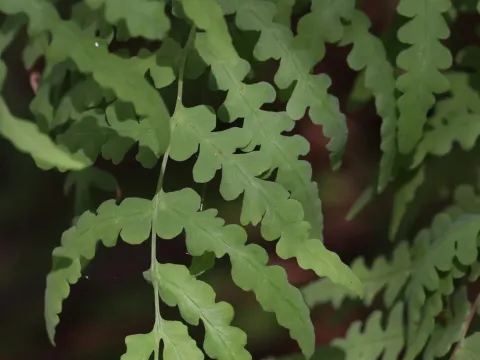
Histiopteris
Histiopteris
Histiopteris is a genus of large ferns belonging to the Dennstaedtiaceae family. Native to tropical and subtropical regions, these plants are renowned for their robust growth habit and ability to colonize damp, shaded forest floors, making them an interesting subject for specialized botanical cultivation.
What the section contains

Histiopteris
Botanically, Histiopteris is characterized by its long, creeping rhizomes that allow it to spread across a large area. The fronds are typically large and pinnately divided, which gives the plant an elegant, architectural appearance suitable for specific horticultural and landscaping applications.
Soil requirements for this genus are quite specific; they thrive in well-draining, organic-rich substrates. A mix of peat, bark, and perlite is often recommended to ensure moisture retention without causing the waterlogged conditions that can easily kill the sensitive root system.
Environmental conditions must mimic their natural habitat: high humidity and consistent, moderate temperatures are essential. Unlike many other indoor crops, Histiopteris struggles significantly in dry environments, making misting or the use of automated humidification systems a necessary part of the management strategy.
Agronomic management involves providing filtered light and avoiding direct sun exposure, which can scorch the delicate foliage. Regular, balanced fertilization during the active growing season encourages lush growth, provided that the soil salt levels are kept within a safe range.
Common pests affecting Histiopteris include scale insects and mealybugs, which often hide beneath the fronds. Regular inspection and manual removal are the first lines of defense, followed by biological or chemical control if the infestation reaches significant thresholds.
Pathogenic threats usually stem from improper drainage, leading to root rot and other fungal infections. Maintaining proper airflow and adhering to a strict irrigation schedule are the most effective ways to prevent such diseases and ensure the longevity of the plant crop.