
Microlepia marginata
Microlepia marginata
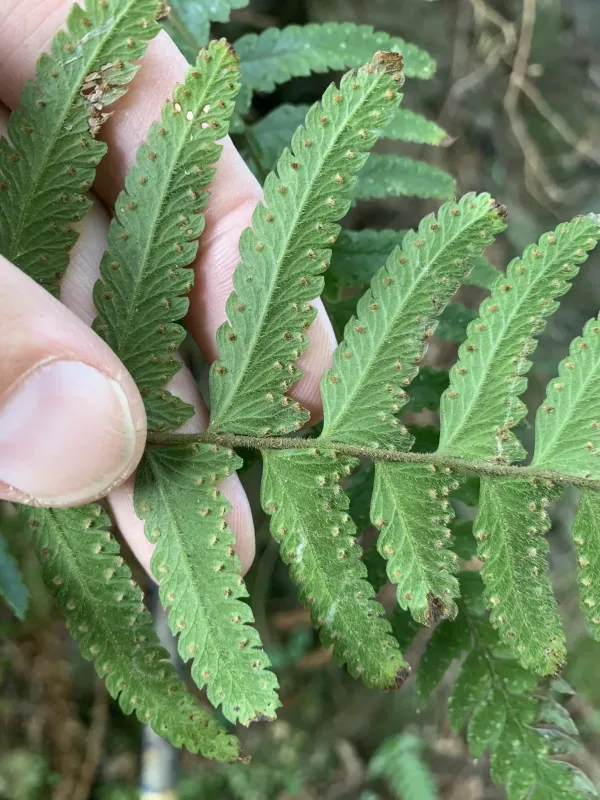
Description
Growing requirements
Microlepia marginata is a perennial fern species belonging to the family Dennstaedtiaceae. It is recognized for its graceful, arching fronds and creeping rhizomes that allow the plant to spread effectively in suitable environments.
Originating from East Asia, including regions like China and Japan, this plant naturally thrives in humid, shaded forest floors. It is highly valued in horticulture for its ability to bring a lush, green aesthetic to indoor and shaded landscape settings.
The culture requires a well-draining, humus-rich substrate that maintains consistent moisture without becoming waterlogged. Successful growth depends on providing a stable environment with high atmospheric humidity, which mimics its natural subtropical habitat.
Temperature management is key for the species; it prefers cool to moderate conditions, typically between 18°C and 24°C. Avoid exposing the plant to direct sunlight, as the delicate foliage is highly susceptible to scorching and dehydration.
In practice, Microlepia marginata is widely utilized in ornamental horticulture for terrariums, indoor displays, and as a ground cover in temperate conservatory gardens. Its versatility as a shade-loving species makes it a staple for interior greening.
Main diseases and pests
The primary threats to the plant's health include fungal diseases such as leaf spot and root rot, often exacerbated by overwatering and poor air circulation. Maintaining proper hygiene and ensuring the drainage is efficient are critical preventive measures.
Pests like spider mites and scale insects can significantly impair the plant's growth, particularly in dry indoor environments. Frequent misting and periodic inspection of the fronds help prevent infestations from reaching levels that require chemical control.