
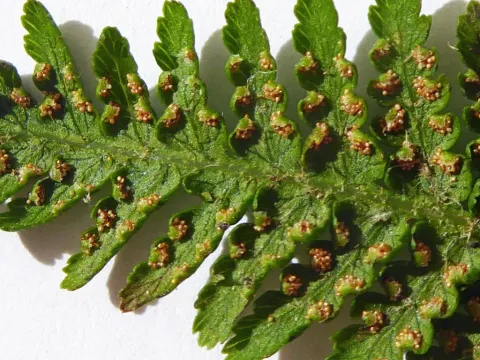
Hypolepis
Hypolepis
Hypolepis is a genus of perennial ferns belonging to the family Dennstaedtiaceae. These plants are native to a wide range of tropical and subtropical regions across the globe, including parts of Australia, New Zealand, and South America, where they flourish in humid environments.
What the section contains


Hypolepis
Botanically, Hypolepis is characterized by long, creeping rhizomes that allow the fern to spread rapidly across the soil surface. The fronds are typically large, often tripinnate or finely divided, giving the plant a delicate, lacy texture that is highly valued in horticulture.
For successful cultivation, Hypolepis requires a shaded or semi-shaded location protected from direct sunlight, which can scorch the fronds. The soil must be consistently moist, rich in organic matter, and well-draining to prevent root rot while maintaining necessary hydration levels.
Climatic requirements focus heavily on high humidity and protection from freezing temperatures. While some species show adaptability, most require a frost-free environment to maintain their lush, green appearance throughout the growing season.
In terms of agricultural and horticultural use, Hypolepis is primarily grown as an ornamental plant. Its ability to create dense, vibrant ground cover makes it a popular choice for large-scale landscaping in woodland gardens or specialized shade-loving plant collections.
The primary threats to Hypolepis include fungal pathogens that thrive in overly damp, poorly ventilated conditions. Common issues involve root rot and various leaf spot diseases that can compromise the structural integrity of the fronds.
Pest management is focused on controlling aphids and spider mites, which can proliferate rapidly in sheltered environments. Additionally, snails and slugs pose a significant risk to tender new growth, requiring careful monitoring to ensure the plants remain healthy.