
Ficinia indica
Ficinia indica
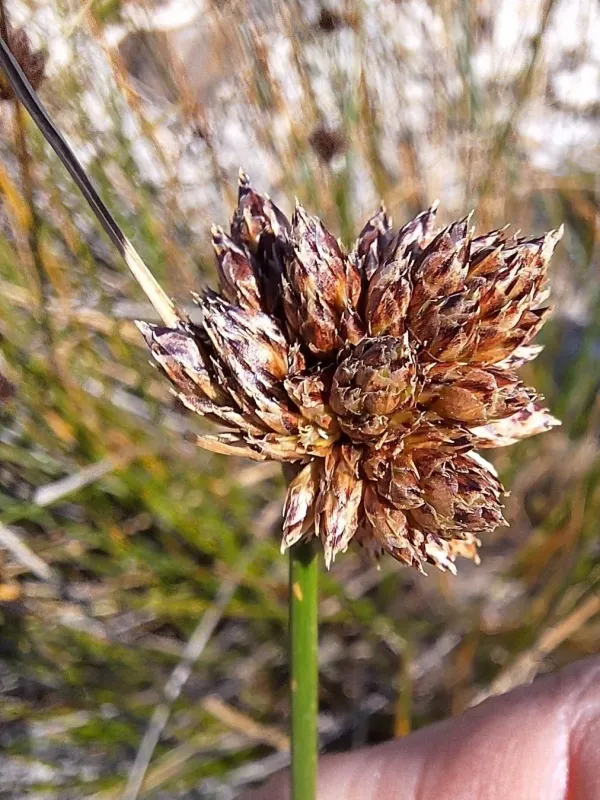
Description
Growing requirements
Ficinia indica is a perennial herbaceous plant belonging to the Cyperaceae family. It is recognized for its dense, tufted growth habit, which allows it to thrive in challenging environments where other plant species often struggle to establish themselves effectively.
The plant originates from Southern Africa, where it has evolved to colonize sandy dunes and coastal areas. This natural background has endowed the species with high tolerance to poor soil quality, salt spray, and extreme exposure to direct sunlight and wind.
Botanically, Ficinia indica is characterized by narrow, grass-like leaves that grow in clusters. Its root system is particularly adept at binding sandy particles, which makes it a valuable species for soil stabilization in coastal regions prone to erosion.
Regarding soil requirements, this plant strictly demands well-draining substrates. It performs best in sandy or rocky soils with low fertility levels. It is essential to avoid heavy, waterlogged soils, as excessive moisture leads to root rot and can destroy the plant's structural integrity.
Climate adaptability is limited by the plant's preference for mild conditions. It thrives in temperate or Mediterranean-like climates where winters are not excessively cold. While it can tolerate drought, it requires consistent sun exposure to maintain its compact, healthy form throughout the growing season.
Main diseases and pests
Common plant diseases for Ficinia indica are primarily related to fungal pathogens that emerge under conditions of high humidity or poor ventilation. Root rot is the most significant threat, typically caused by overwatering or soil compaction that prevents proper drainage.
Pests are generally not a major concern for this hardy species, but occasional infestations of mealybugs or aphids can occur in stressed plants. Early detection and standard horticultural practices are usually sufficient to manage these minor pest issues without the need for harsh chemicals.
- Monitor for stagnant water around the root zone.
- Avoid over-fertilization, which attracts pests.
- Ensure adequate air circulation between individual plants.
- Prune dead foliage to prevent fungal growth.
- Use sterile tools when dividing the plants for propagation.
The plant demonstrates significant resilience to most common agricultural pests, making it a low-maintenance choice for professional landscaping. Its secondary metabolites, characteristic of the Cyperaceae family, often provide a natural defense against many herbivores and insects.
Proactive management of the microclimate is the best form of protection against threats. By providing the plant with its preferred well-drained, sunny environment, the grower naturally minimizes the impact of diseases and ensures long-term survival of the plantation.