
Ficinia filiformis
Ficinia filiformis
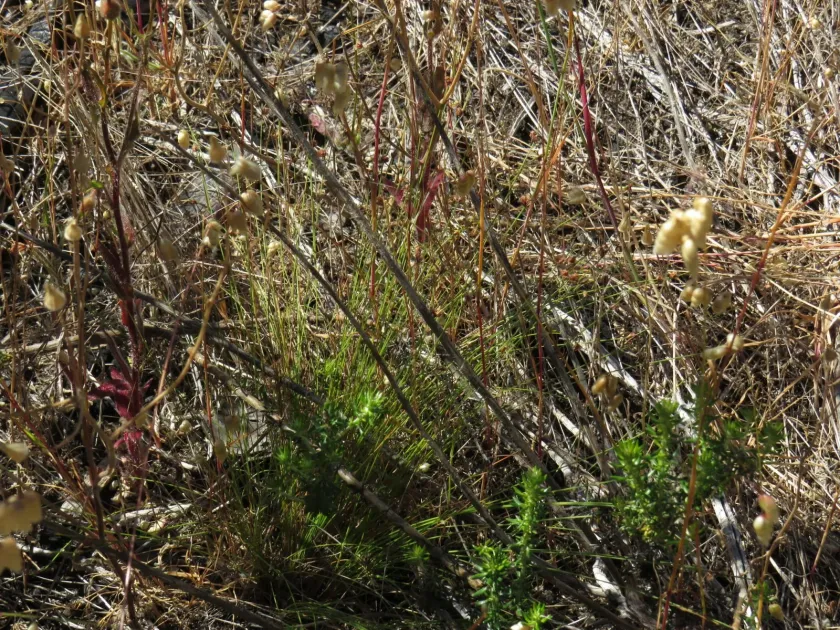
Description
Growing requirements
Ficinia filiformis is a perennial herbaceous plant belonging to the Cyperaceae family, commonly known as the sedge family. This species is native to South Africa, where it has adapted to thrive in sandy soils and open environments characterized by specific moisture regimes.
From a botanical perspective, the plant is recognized by its filiform, thread-like leaves that grow in dense clusters. The stems are remarkably slender yet possess significant structural integrity, allowing the plant to withstand strong winds and mechanical stress in its native habitat.
Regarding soil requirements, Ficinia filiformis necessitates well-drained substrate to prevent root rot. It is particularly well-adapted to sandy or nutrient-poor soils, making it an excellent candidate for landscape stabilization where other more demanding grasses might struggle to survive.
The climate adaptation of this species revolves around its tolerance for high light intensity and periodic water scarcity. While it thrives in open, sunny conditions, irrigation management remains crucial during the early stages of establishment to ensure a healthy root system development.
In terms of agricultural and land management utility, Ficinia filiformis is primarily utilized for soil erosion control. Its ability to create dense, widespread root networks helps anchor loose soil, providing a sustainable solution for land restoration and landscape architecture projects.