
Caldcluvia paniculata
Caldcluvia paniculata
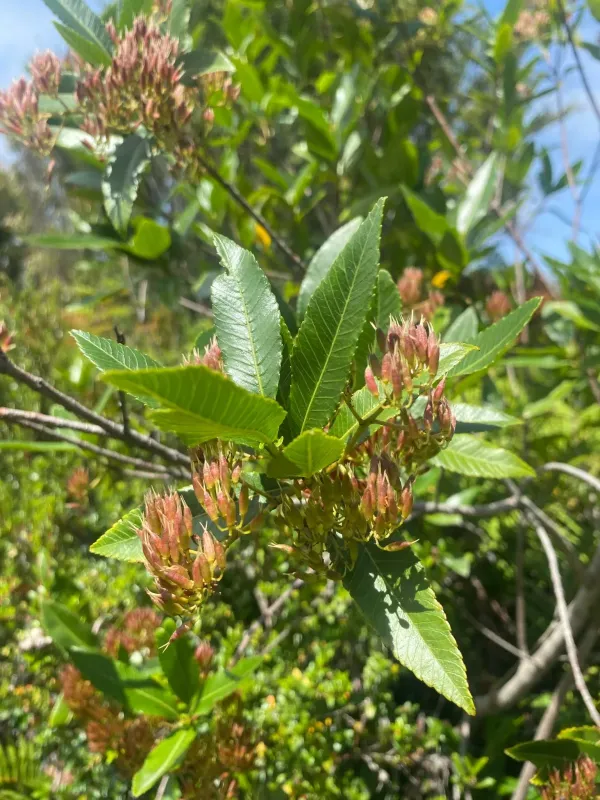
Description
Growing requirements
Caldcluvia paniculata is a distinct evergreen tree species belonging to the Cunoniaceae family. It is native to the temperate rainforests of Chile and Argentina, where it is a prominent component of the forest structure.
This species thrives in climates characterized by high rainfall and cool temperatures. It is sensitive to extreme frosts and requires protected sites to ensure healthy growth in non-native environments.
Soil requirements involve deep, well-drained, and nutrient-rich substrates. While the plant prefers consistent moisture, it is susceptible to root rot if water stagnation occurs, necessitating effective drainage.
The cultural cycle begins with seed propagation, which requires careful management of light and moisture levels. Young plants benefit from partial shade, while mature trees demonstrate higher light requirements.
Maintenance techniques include mulching to conserve soil moisture and regular monitoring of plant growth. Fertilization is generally beneficial during the early growth stages to support canopy development.
Yield
The tree is economically significant in its home range, particularly for its honey production. Its abundant flowering provides a consistent nectar source for local pollinators.
The timber obtained from Caldcluvia paniculata is highly regarded for its physical properties. It is frequently utilized in high-end furniture manufacturing and architectural millwork.
Landscape gardening serves as another field of use, as the plant serves as an elegant evergreen focal point in climates that mirror its natural temperate habitat.
Yield potential in forest management is based on sustainable harvest cycles, where tree growth is carefully managed to maximize biomass production without depleting soil health.
For ornamental purposes, the plant is valued for its delicate, panicle-like inflorescences that appear during the peak blooming season, adding aesthetic value to the environment.
Main diseases and pests
The species is generally robust but can be affected by root pathogens, especially in settings with poor soil aeration or excess humidity levels.
Common insect pests include leaf-chewing species that can reduce the aesthetic quality of the foliage if left unchecked for prolonged periods.
Environmental stress, particularly prolonged drought, can leave the trees vulnerable to secondary fungal attacks or opportunistic pathogens that damage the bark.
Effective management requires consistent monitoring and the removal of any diseased plant tissue to prevent the spread of infections within the grove.
Sustainable agricultural practices, such as site selection based on ecological mapping, remain the best way to mitigate risks to the health of the cultivation.