
Trochomeriopsis diversifolia
Trochomeriopsis diversifolia
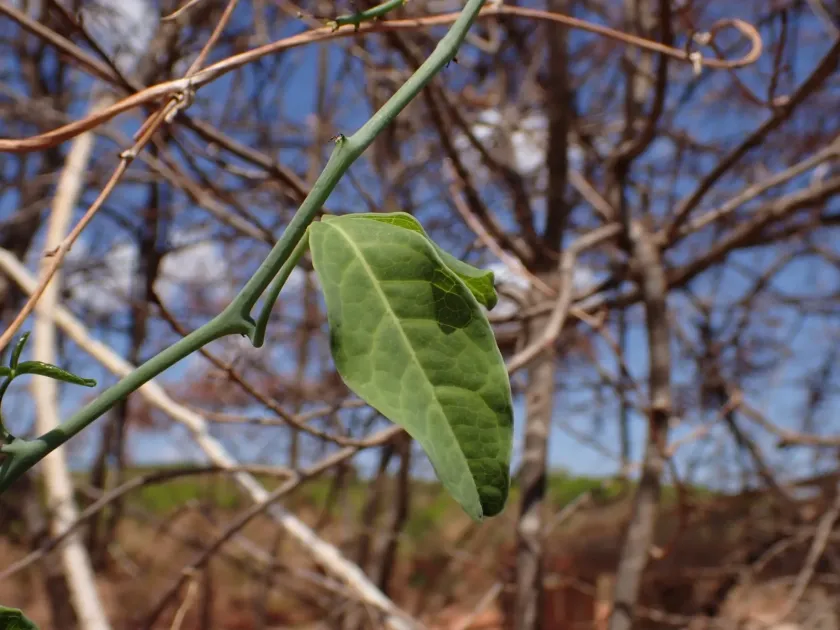
Description
Growing requirements
Trochomeriopsis diversifolia is a rare perennial vine belonging to the Cucurbitaceae family. It is an endemic species native to the arid deciduous forests of Madagascar, where it has evolved to thrive in specialized microclimates characterized by distinct wet and dry seasons.
The plant is best known for its significant caudex, a woody swelling at the base of the stem that acts as an organ for water storage. This anatomical feature is an evolutionary response to prolonged droughts, allowing the plant to survive when moisture is unavailable in the environment.
Cultivation requires a highly porous, inorganic-heavy substrate to prevent root rot. Proper aeration and rapid drainage are critical parameters for the health of this species. Standard potting soils are usually modified with grit, volcanic rock, or coarse sand to simulate the natural rocky habitat.
The plant demands high light intensity to maintain its compact growth form and prevent etiolation. Exposure to full morning sun is generally beneficial, though protection from intense afternoon heat in greenhouse conditions is often recommended to prevent tissue scorching.
In terms of хозяйственное использование (agricultural use), Trochomeriopsis diversifolia is primarily cultivated as a high-value ornamental for botanical collections. Its scarcity and specific biological requirements make it a prized specimen for researchers and enthusiasts of unique succulent flora.