
Bur cucumber
Sicyos angulatus L.
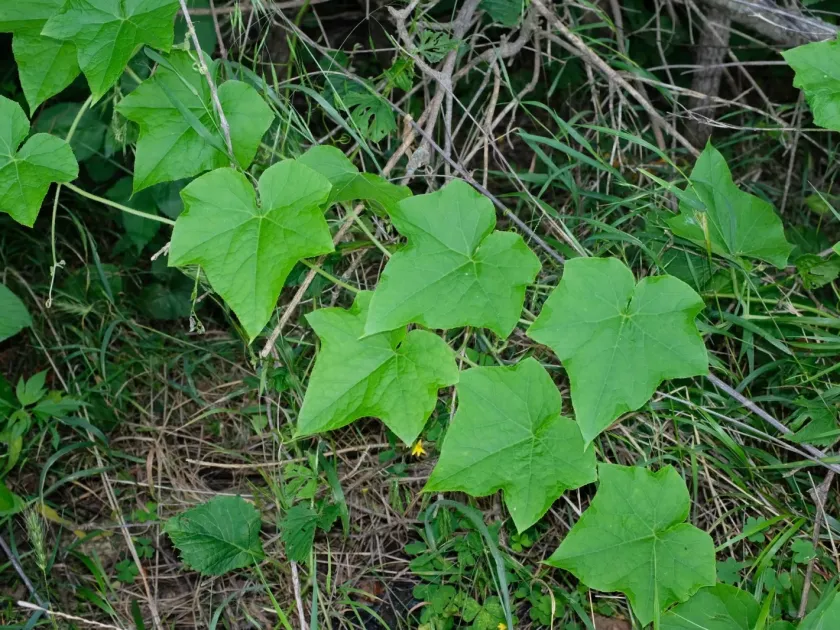
Description
Sowing dates
Bur cucumber is an annual climbing plant belonging to the Cucurbitaceae family. The seeds typically begin to germinate in late spring when soil temperatures reach stable levels, often stimulated by soil disturbance.
The growth rate of Sicyos angulatus is exceptionally high. Once germinated, the plant quickly develops extensive vines that can reach lengths of several meters in a single growing season.
Germination is often staggered throughout the spring and early summer months. This biological strategy ensures that even if early cohorts are destroyed by cultivation, new plants will continue to emerge.
The seeds have a hard seed coat and can persist in the soil seed bank for several years. This longevity makes long-term management critical for agricultural fields infested with this weed.
Unlike many other weeds, Bur cucumber can germinate from significant soil depths, which makes shallow tillage ineffective for completely preventing its emergence.
Growing requirements
This plant thrives in moist, fertile soils, making it a frequent invader of bottomlands, riverbanks, and well-watered agricultural crop fields. It shows a preference for nutrient-rich, well-draining loamy soils.
Sicyos angulatus is a heliophilic species, meaning it requires abundant sunlight for maximum biomass production. It utilizes its tendrils to climb over crops, effectively shading out the plants beneath it.
The temperature range for optimal development is between 20 and 30 degrees Celsius. The plant is highly sensitive to frost and completes its life cycle before the first hard autumn freeze.
The plant requires significant moisture throughout its lifecycle. Its rapid growth and large leaf surface area lead to high water consumption, putting it in direct competition with the primary crop for soil moisture.
While it prefers neutral pH soils, it is highly adaptable and can establish itself in a variety of disturbed environments, including field edges, ditches, and near irrigation systems.
Main diseases and pests
Bur cucumber is a significant host for several plant viruses, including Cucumber Mosaic Virus (CMV). Because it is widespread, it serves as a persistent reservoir for these pathogens.
Insect pests like aphids and spider mites frequently colonize Bur cucumber plants. The dense canopy created by the vines provides an excellent microclimate for these pests to survive and multiply.
Powdery mildew and downy mildew are common fungal diseases found on the plant. However, due to its vigorous nature, the plant usually survives these infections and continues to spread.
Managing the weed is difficult because it often grows directly within the crop canopy. This proximity makes chemical applications challenging without risking damage to the cultivated plants.
Integrated Pest Management (IPM) is essential. Relying solely on herbicides is often insufficient, necessitating a combination of mechanical cultivation, crop rotation, and timely chemical intervention.
Harvesting
Harvesting crops infested with Bur cucumber requires special attention due to the vine's propensity to tangle in harvesting machinery. The tough, fibrous stems can clog combines and other agricultural equipment.
The presence of dense Bur cucumber patches can significantly decrease the yield of the primary crop by interfering with the efficient operation of harvesting heads and sorting mechanisms.
Harvesting timing is crucial. If crops are harvested late, the weed may have already shed its burs (spiny fruits), which can contaminate the harvested grain and lower its market value.
Cleaning equipment thoroughly after working in infested fields is a mandatory practice to prevent the transport of seeds to clean areas. The spiny nature of the fruits allows them to adhere easily to tires and machinery.
In cases of severe infestation, growers may need to desiccate the field prior to harvest to ensure that the vines are brittle and less likely to cause mechanical issues during the collection process.