
Cyclantheropsis parviflora
Cyclantheropsis parviflora
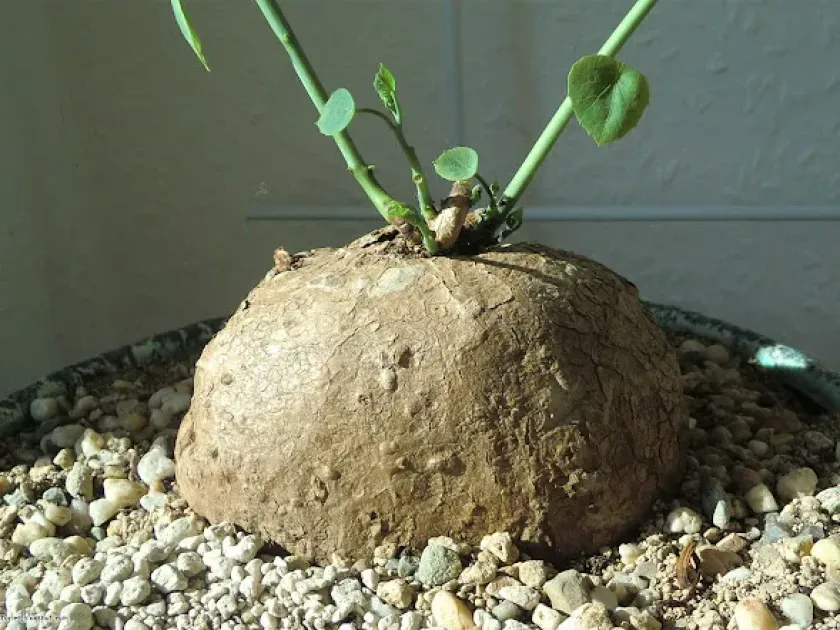
Description
Sowing dates
Cyclantheropsis parviflora is a perennial climbing vine belonging to the Cucurbitaceae family. In its native tropical habitats, seeds are sown directly into the soil at the onset of the rainy season to ensure sufficient moisture for germination.
In temperate climates, the plant must be started indoors or in a greenhouse with soil temperatures maintained above 20-22 degrees Celsius. The seeds have a hard seed coat, so pre-soaking them in warm water for up to 24 hours can significantly improve germination rates.
Sowing depth should be approximately 2-3 centimeters in a well-draining, nutrient-rich substrate. It is crucial to prevent waterlogging during the initial growth phase, as young seedlings are prone to root rot in damp conditions.
When transplanting into the field, a spacing of 80–100 centimeters between plants is recommended to allow for adequate air circulation. The installation of trellises or supports is essential for this vine to achieve its maximum growth potential.
Incorporating organic matter into the soil during preparation provides the necessary nutrients for the plant to establish a strong root system during the early stages of development.
Growing requirements
Originating from tropical Africa, this species requires ample sunlight for optimal shoot formation and flowering. It is extremely sensitive to cold and cannot survive any exposure to frost or prolonged cool temperatures.
The plant thrives in fertile, loamy, or sandy-loam soils with a neutral to slightly acidic pH. Good drainage is non-negotiable, as the roots are highly susceptible to pathogens in stagnant water conditions.
An ideal temperature range for active growth is between 25 and 30 degrees Celsius. Regular but moderate irrigation is required, ensuring the soil remains moist without becoming saturated.
In greenhouse settings, effective ventilation is vital to prevent heat build-up and humidity-related diseases. Constant airflow helps strengthen the stems and improves the plant's overall resistance to stressors.
Supplemental fertilization with balanced minerals, specifically those rich in phosphorus and potassium during the flowering stage, helps to maximize fruit yield and quality.
Main diseases and pests
Common threats to this species include fungal infections typical of the Cucurbitaceae family, such as powdery mildew. This disease manifests as a white, dusty growth on leaves, which hampers photosynthesis and overall plant health.
Downy mildew may also occur, especially in conditions of high humidity and poor circulation. Implementing a preventative fungicide program or using biological control agents can help keep these pathogens under control.
Pests like spider mites and aphids are frequently encountered, particularly during hot and dry spells. They feed on plant sap, leading to leaf deformation and stunted growth if left unmanaged.
Root rot, often caused by overwatering or soil-borne pathogens, is a significant risk. Maintaining proper soil moisture levels and practicing crop rotation are key strategies for long-term plant protection.
Integrated pest management, including the use of beneficial insects and targeted treatments, is the most effective way to protect the crop while preserving the environment for pollinators.
Harvesting
The harvest period typically begins 60–80 days after the plant reaches full bloom. It is important to harvest fruits when they reach optimal size but are still immature, ensuring the skin remains tender.
The harvest is usually done selectively, picking only mature fruits to encourage the plant to continue producing more yields throughout the growing season. This practice extends the productivity of the vine until the cooler weather arrives.
A sharp pruning shear or knife should be used to cut the fruits from the vine to prevent unnecessary damage to the fragile stems. Careful handling during harvest maintains the plant's health for further fruit sets.
Collected fruits should be sorted by size and condition. Damaged or diseased produce must be removed immediately to prevent cross-contamination and spoilage during storage or transportation.
Since the fruits are delicate, they should be stored in a cool, shaded environment and consumed or processed shortly after harvesting to ensure the best flavor and quality.