
Cyclantheropsis madagascariensis
Cyclantheropsis madagascariensis
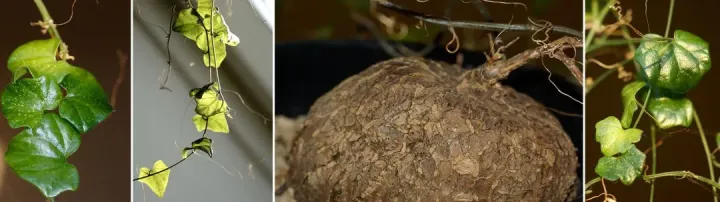
Description
Growing requirements
Cyclantheropsis madagascariensis is a notable species within the Cucurbitaceae family. Originating from the diverse ecosystems of Madagascar, this perennial woody vine exhibits a climbing growth habit, characteristic of many tropical species in this taxonomic group.
The plant requires a strictly tropical environment to thrive, characterized by high humidity and consistent warm temperatures throughout the year. It does not possess any frost tolerance, making outdoor cultivation viable only in frost-free tropical or subtropical zones.
Optimal growth is achieved in well-drained, nutrient-rich soils with a neutral or slightly acidic pH balance. Farmers must ensure proper soil preparation, as the root system, while hardy, is susceptible to rot in waterlogged conditions.
Standard agrotechnical practices for this species focus on providing sturdy structural support. Given its natural inclination to climb, the use of trellis systems is essential to maximize photosynthesis and ensure ease of management during the growing season.
In terms of usage, the plant serves both as a food source in localized regional diets and as a subject of botanical study due to its distinct physiological adaptations and potential secondary metabolites with pharmacological properties.
Main diseases and pests
The primary pathological threats include fungal infections such as powdery mildew and various leaf spot diseases. These are frequently exacerbated by high ambient humidity and inadequate air circulation within the plant canopy.
In terms of insect pressure, common pests like aphids, spider mites, and whiteflies can significantly impede plant vigor. Integrated pest management (IPM) strategies, involving regular monitoring and the use of natural predators, are recommended for sustainable maintenance.