
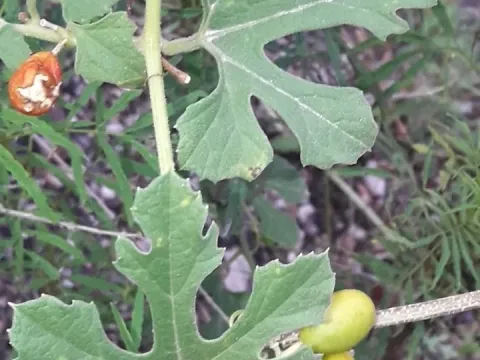
Cayaponia
Cayaponia
Sowing Cayaponia in temperate climates is typically done using the transplant method, as the seeds require consistent warmth to ensure successful germination.
What the section contains


Cayaponia
The optimal time for sowing is in late March, allowing the plants to establish a strong root system before being moved to their final growing location.
Prior to planting, soaking the seeds in warm water for several hours can significantly improve the speed and uniformity of germination.
Seeds should be planted at a depth of 2–3 centimeters in a high-quality potting mix that maintains moisture without becoming waterlogged.
Transplanting seedlings to the garden or greenhouse should only occur once all danger of frost has passed and soil temperatures have reached at least 18 degrees Celsius.
Cayaponia is a genus of perennial herbaceous vines belonging to the Cucurbitaceae family, native to tropical and subtropical regions across the Americas.
These plants thrive in full sun but benefit from light shade in extremely hot climates to prevent leaf scorch and excessive transpiration.
Soil requirements include a well-drained, fertile medium enriched with organic matter, which supports the rapid vegetative growth characteristic of this genus.
Providing vertical support structures, such as trellises or netting, is essential as the plants utilize tendrils to climb and spread horizontally and vertically.
Consistent irrigation is critical throughout the growing season, though care must be taken to avoid soil saturation which may lead to root health issues.
Yield productivity in Cayaponia is heavily dependent on sunlight availability and consistent moisture throughout the flowering and fruit-setting stages.
While the plant can exhibit long-term fruit production in its native tropical habitat, cultivation in shorter growing seasons limits overall seasonal output.
The fruits serve various roles, though they are often harvested for technical or botanical research purposes rather than mass-market food consumption.
Pruning lateral shoots during the vegetative phase can help redirect energy toward fruit production, potentially increasing the number of healthy fruits per plant.
In well-managed greenhouse environments, a healthy plant can produce several kilograms of fruit, contingent upon adequate nutrient management and space.
Common pests affecting Cayaponia include spider mites and aphids, which frequently target young foliage in indoor or dry environmental conditions.
Powdery mildew represents a significant fungal threat, especially in environments with poor air circulation and high humidity levels around the foliage.
Nematode infestations can occur in the soil, which necessitates the use of sterilized substrates and crop rotation strategies to minimize impact.
Early detection of pests and regular application of preventative measures are essential to maintain plant health and prevent the spread of viral infections.
Maintaining proper spacing between individual vines is a key agricultural practice to ensure adequate airflow and reduce the risk of pathogen outbreaks.
Harvesting Cayaponia fruits should be carried out selectively, targeting fruits that have reached the desired maturity level for specific applications.
Use sharp gardening shears to cut the fruits from the vine to avoid damaging the brittle stems or disrupting other developing fruits on the same branch.
Post-harvest management involves immediate sorting and processing, especially if the fruits are destined for use as botanical or medicinal raw materials.
Avoiding over-ripeness is important to maintain the integrity of the plant matter and prevent the rapid onset of decay in stored harvests.
Properly harvested fruit should be kept in a cool, dry area with good ventilation to preserve its characteristics until processing or further use.