
Cayaponia americana
Cayaponia americana
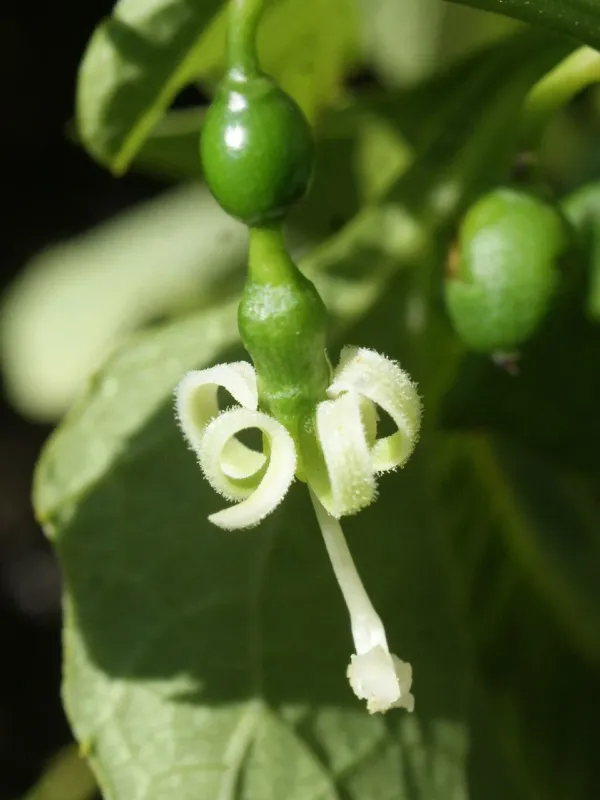
Description
Sowing dates
Seeds of Cayaponia americana should be sown in a warm, frost-free environment once soil temperatures consistently exceed 20 degrees Celsius.
Pre-treatment of seeds, such as light scarification or soaking in warm water for 24 hours, is highly recommended to break dormancy and improve germination rates.
Starting seeds in small pots or seed trays in a greenhouse or indoor setting is the preferred method to ensure strong, viable seedlings before transplanting.
Transplanting should occur once the danger of frost has passed and the plants have developed at least two or three true leaves.
Care must be taken during the transplantation process to avoid disturbing the root ball, as the species can be sensitive to root damage during the early stages of growth.
Growing requirements
Cayaponia americana belongs to the Cucurbitaceae family and thrives as a climbing vine, necessitating a structure or trellis for optimal development.
The plant requires full sun exposure and a well-draining soil medium rich in organic matter to support its vigorous vegetative growth throughout the season.
Consistent soil moisture is essential; however, the plant is intolerant to waterlogged conditions, which may cause the roots to rot rapidly.
A tropical or subtropical climate is ideal for this species, as it requires high humidity and warmth to produce its characteristic flowers and fruits.
Providing adequate spacing is crucial to ensure good airflow between plants, which significantly reduces the risk of fungal leaf infections.
Yield
Yield performance is heavily dependent on effective pollination, usually facilitated by bees and other native insects in the plant's natural habitat.
Under optimal conditions, the vine produces a multitude of small, decorative, or medicinal fruits that serve various agricultural or ethnobotanical purposes.
Applying a balanced fertilizer during the vegetative growth phase followed by a potassium-rich feed during flowering helps maximize fruit set and quality.
While often grown for its aesthetic and botanical interest, the plant demonstrates high productivity in warm regions where it can grow unchecked on sturdy supports.
Harvesting frequency influences overall yield, as frequent collection of mature fruits can stimulate the plant to continue producing flowers for a longer period.
Main diseases and pests
Powdery mildew is a common challenge for this species, appearing as a white dusting on leaves, often triggered by high humidity and stagnant air.
Pests such as spider mites, aphids, and whiteflies may target the undersides of the leaves, particularly during dry spells, potentially weakening the plant.
Root rot caused by Phytophthora or other soil-borne pathogens can be a significant issue if the planting site lacks proper drainage.
Implementing a strict watering schedule and avoiding overhead irrigation can go a long way in preventing most of the common diseases associated with this plant.
- Regular inspection for early signs of pest infestation or disease.
- Use of neem oil or insecticidal soap for organic pest management.
- Strategic pruning to increase sunlight penetration and air circulation.
Harvesting
Fruits should be harvested individually when they reach the desired maturity stage, characterized by a change in color or firmness of the outer skin.
Clipping the fruit from the stem with sharp shears is preferred over pulling to avoid damaging the brittle vines of the climber.
Storage of the harvest should occur in a cool, dry place to prevent moisture accumulation and spoilage, especially if the fruits are intended for seed extraction.
Proper cleaning of the harvest is essential, especially if the fruits are being collected for medicinal use, ensuring they are free from soil and debris.
At the end of the harvest cycle, all remaining plant debris should be removed from the trellis and the area cleared to maintain a sanitary growing space for the next year.