
Cayaponia tayuya
Cayaponia tayuya
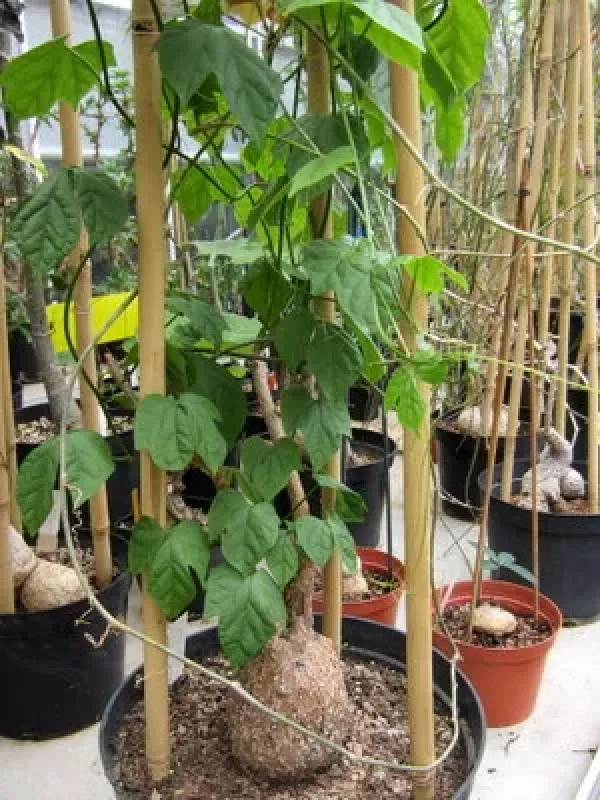
Description
Sowing dates
Cayaponia tayuya is a perennial climbing vine belonging to the Cucurbitaceae family. In a cultivation setting, it is primarily propagated by seeds, which require specific preparation methods such as scarification to ensure uniform germination.
Sowing typically begins in the spring when soil temperatures reach at least 18 degrees Celsius. Using greenhouses or starting trays provides the necessary warmth to overcome the dormancy often found in tropical seeds.
The planting substrate must be light, well-aerated, and nutrient-rich. Proper drainage is essential to prevent seed rotting, as the seedlings are sensitive to excess moisture in the early stages of development.
Once frost risk is over, the young plants are transplanted to a permanent location. Proper spacing is crucial to allow the vines sufficient room to spread and to ensure adequate airflow, which prevents leaf disease.
Providing robust trellis systems is an essential part of the agricultural process. As a climbing plant, Cayaponia tayuya requires vertical support to ensure healthy growth of both the foliage and the valuable underground structures.
Growing requirements
As a native of South American tropical forests, this culture thrives in environments with high humidity and consistent warmth. The optimal temperature range for active growth is between 22 and 28 degrees Celsius.
Soil requirements include high organic content and a slightly acidic to neutral pH. Heavy or waterlogged soils are detrimental to the roots, often leading to rapid decay of the tuberous structures.
The plants prefer dappled sunlight or partial shade. Exposure to intense, direct tropical sun can cause stress and leaf burn, particularly if soil moisture levels are not maintained consistently.
Regular but moderate irrigation is required to mimic the natural precipitation patterns of its habitat. During dry spells, supplementing with irrigation or misting systems helps maintain the necessary humidity levels.
Fertilization should focus on organic amendments like compost or well-balanced mineral fertilizers with a focus on root development. Proper nutrition during the vegetative stage is key to achieving a high-quality harvest.
Main diseases and pests
Fungal diseases are the primary threat, especially in humid and stagnant air conditions. Powdery mildew is common and can quickly affect the vine's productivity if not managed early.
Root rot is the most destructive ailment, typically caused by poor soil drainage or over-irrigation. It directly impacts the main harvestable part of the plant, making prevention significantly easier than treatment.
Spider mites and aphids are the most frequent insect pests. They thrive in the warm, sheltered environment of a greenhouse and can quickly sap the plant's vitality if left unchecked.
Implementing a strict sanitation program, including the removal of infected foliage and weeds, helps keep the plant healthy. Integrated pest management, using biological controls, is preferred in herbal production.
Avoiding monocropping and practicing regular rotation helps prevent the buildup of soil-borne pathogens. Monitoring the plants daily allows for early detection of stress before it becomes a widespread issue.
Harvesting
The harvest focuses on the plant's tuberous roots, which generally reach maturity after two to three years of growth. Harvesting is conducted when the foliage begins to show signs of natural senescence.
The roots are carefully extracted from the soil to avoid mechanical damage. Damaged roots are more susceptible to fungal infections during the drying and storage phases of post-harvest processing.
Once harvested, the roots must be thoroughly cleaned and dried in a well-ventilated, shaded environment. Excess moisture must be eliminated to ensure the stability of the active compounds.
The harvested product is primarily used in the pharmaceutical industry. The roots contain various alkaloids and compounds valued in traditional medicine for their anti-inflammatory properties.
Proper storage involves keeping the dried root material in airtight containers away from light and moisture. When stored correctly, the dried material retains its medicinal potency for an extended period.