
Cayaponia microdonta
Cayaponia microdonta
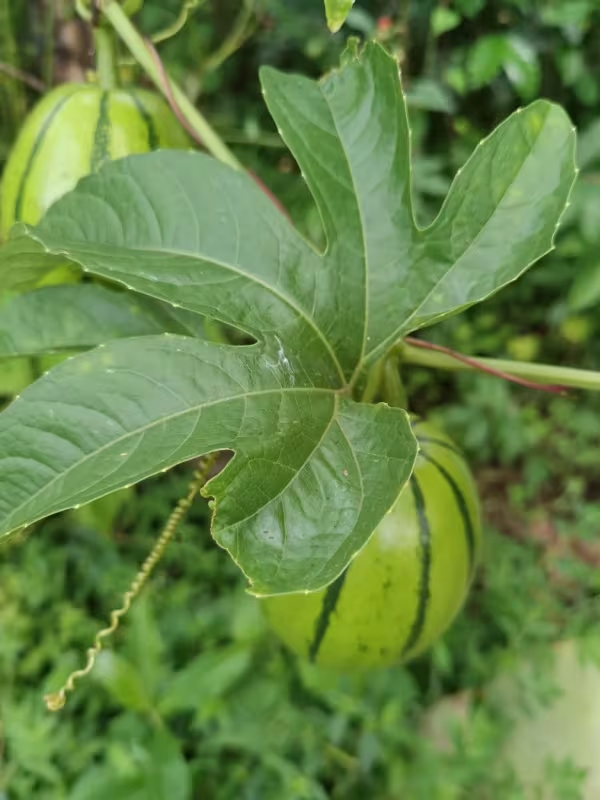
Description
Sowing dates
Cayaponia microdonta belongs to the Cucurbitaceae family, thus its biological life cycle requires consistently high temperatures without the risk of frost. The optimal time for sowing seeds in open ground occurs after the soil warms up to 18–20 degrees Celsius.
In regions with a short warm season, using the transplanting method is recommended. Seeds should be sown in nutrient-rich pots 30–40 days before the intended planting date, providing them with sufficient light and regular watering to stimulate early growth.
Preliminary seed treatment involves soaking them in warm water for several hours, which helps accelerate the germination of the seed's thick coat. The planting depth in the soil should be approximately 2–3 centimeters, depending on the soil structure.
As the plant is a vigorous climber, it is important to maintain a distance of at least one meter between planting holes. This ensures enough space for the development of vegetative mass and facilitates easier maintenance of the vines.
The choice of site for sowing must consider the necessity of installing trellises or support structures. Without support, the vegetative parts of the plant creeping on the ground become more vulnerable to fungal infections and rot in high-humidity conditions.
Growing requirements
The crop has high light requirements, preferring open sunny areas protected from strong winds. Direct sunlight promotes intense photosynthesis and high-quality fruit ripening.
The soil should be loose, fertile, and have a neutral or slightly acidic reaction. Heavy clay soils require the prior addition of organic matter and sand to improve drainage properties and ensure root aeration.
Moisture management is key: the plant needs regular but moderate watering without water stagnation in the root zone. Excessive humidity can lead to deformation of the root system and reduce the overall viability of the plant.
The temperature optimum for vegetation is 22–28 degrees Celsius. At temperatures below 15 degrees, development slows significantly, and a brief drop to freezing can result in the death of the vine's green parts.
For successful growth in intensive cultivation, it is recommended to apply complex fertilizers with high potassium content during the flowering phase. This promotes fruit setting and increases the plant's resistance to environmental stress factors.
Main diseases and pests
Typical pests for Cayaponia include various species of spider mites and aphids, which multiply actively during hot and dry summers. Regular inspection of the underside of the leaves allows for the early detection of insect colonies.
In high humidity conditions, the vine is susceptible to powdery mildew, manifesting as a whitish coating on the leaf blades. For prevention, it is important to maintain good ventilation and avoid overcrowding the plants during planting.
Anthracnose and various types of root rot are serious threats if watering practices are neglected. Affected parts should be immediately removed from the field to prevent the spread of pathogen spores to healthy shoots.
Nematodes can attack the plant's root system, especially if grown in the same spot for several consecutive years. Crop rotation and soil disinfection are effective methods for controlling this soil-borne pest.
To control pest populations and prevent disease development, biological agents are often used, which are safe for beneficial pollinating insects that ensure high crop yields.
Harvesting
Harvesting is performed selectively as the fruits reach biological maturity, when they acquire the color and structure characteristic of the species. The length of the fruiting period allows for harvesting over several weeks at the end of the season.
Cayaponia microdonta fruits are often used for decorative purposes, as well as for research into their chemical composition, which is of interest to the pharmaceutical industry. It is important to harvest fruits carefully to avoid damaging the peduncle and the main stem.
After harvesting, it is recommended to store fruits in a cool, dry, and well-ventilated area. Excess moisture in the storage room can cause fruit spoilage and the development of mold fungi, making microclimate control essential.
Immature or damaged fruits are not suitable for long-term storage and should be used shortly after harvest. Adhering to transport regulations helps maintain the visual quality of the fruits, especially if they are intended for exhibitions or scientific purposes.
After the harvest season, the remaining vegetative biomass should be removed from the field and destroyed. This reduces the inoculum reservoir in the soil for the following year.