
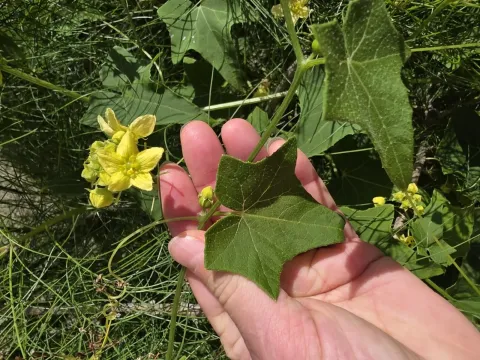
Bryonia
Bryonia
Bryonia is a genus of perennial climbing plants belonging to the Cucurbitaceae family. It is widely known for its significant medicinal potential and vigorous growth habit, often found growing wild in hedges and along forest edges throughout temperate Eurasia.
What the section contains

Bryonia
Botanically, the plant is characterized by a large, fleshy, turnip-shaped tuberous root that serves as a nutrient reserve. The stems are climbing, equipped with tendrils that allow the plant to scale fences, shrubs, and other vertical supports rapidly during the growing season.
For successful cultivation, Bryonia prefers well-drained, fertile soil and a sunny or partially shaded location. It is highly adaptable to various soil types but thrives best in neutral to slightly alkaline conditions where drainage is not impeded.
Climate-wise, the plant is quite hardy. Its deep-seated tuberous roots allow it to survive harsh winters by retreating into dormancy, while the rapid development of aerial stems in spring takes advantage of the temperate climate conditions for quick biomass accumulation.
Economically, Bryonia is valued primarily for its pharmacological properties. The tuberous roots contain compounds like bryonin, used in homeopathic and traditional medicinal practices. Growers must emphasize safety, as the plant parts are considered toxic and require careful processing.
Bryonia is susceptible to several pathogens typical for the squash family. Powdery mildew is the most common disease, often appearing as a white dusty coating on the leaves during periods of high humidity and warm temperatures.
Root rot can be a significant threat if the soil remains waterlogged for extended periods. Proper site selection and soil structure management are essential to prevent fungal proliferation within the root zone.
Pests such as spider mites and melon aphids are frequently observed on this crop. They infest the undersides of leaves, causing yellowing, leaf drop, and an overall reduction in plant vigor if not controlled.
Integrated pest management is recommended for Bryonia plantations. This includes monitoring for early signs of infestation and applying targeted biological controls to preserve the quality of the root material intended for medicinal use.
Crop sanitation is crucial; removing dead plant debris at the end of the season helps reduce the overwintering inoculum of fungi and bacteria. Maintaining healthy growing conditions naturally increases the plant's resistance to minor pest outbreaks.