
Cayaponia racemosa
Cayaponia racemosa
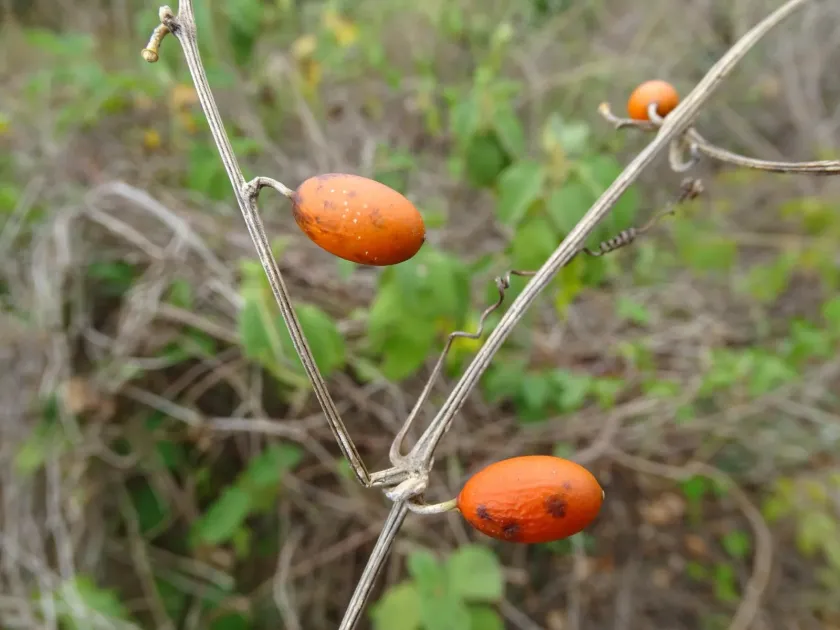
Description
Sowing dates
Cayaponia racemosa is a perennial climbing vine belonging to the Cucurbitaceae family. Native to tropical regions of the Americas, it thrives in warm environments and is typically propagated via seeds sown in prepared seedbeds or directly into well-draining soil.
For optimal germination, seeds should be treated to break dormancy, as they often have a tough outer coat. Sowing occurs when soil temperatures are consistently above 20 degrees Celsius, ensuring a vigorous start for the seedlings.
Seedling production in trays is recommended for large-scale operations to protect young plants from soil-borne pathogens. Transplants should be moved to the field once they develop at least three true leaves and the risk of frost is completely absent.
Spacing is critical for this species due to its extensive vine growth. A distance of at least 1.5 to 2 meters between plants is required to allow sufficient airflow and ease of management for the growing tendrils.
Successive sowing schedules can be implemented in tropical zones, but in temperate climates, the planting window is strictly dictated by the length of the warm frost-free season.
Growing requirements
The plant requires full sun exposure to maintain high photosynthetic activity and promote the development of its fruit. Shaded areas often result in stunted growth and a significant reduction in total yield.
Soil quality must be high, with a preference for well-drained loams rich in organic matter. Soil pH levels between 6.0 and 7.0 are ideal; excessive alkalinity can lead to nutrient lockouts, particularly for micronutrients like iron and manganese.
Vertical support structures, such as trellises or netting, are essential for Cayaponia racemosa. Elevating the vines off the ground prevents fruit rot and allows for easier harvesting operations throughout the season.
Consistent moisture management is necessary, though waterlogging must be avoided at all costs. Drip irrigation systems are highly efficient for this culture, as they minimize foliage wetness and help control the incidence of fungal diseases.
Fertilization regimes should be balanced, with increased potassium levels during the flowering phase. This supports the plant's structural integrity and ensures better fruit development and quality consistency.
Main diseases and pests
Powdery mildew is a common threat, particularly in humid environments. The appearance of a white, dusty fungal layer on the leaves necessitates the prompt application of systemic or contact fungicides.
Pests like aphids and spider mites are frequent invaders, especially during dry spells. These pests damage the plant by extracting sap from tender shoots, which may lead to the transmission of viral diseases if left unchecked.
Root rot caused by Phytophthora or Pythium species is a risk if the soil structure is poor or drainage is inadequate. Managing water supply and implementing proper crop rotation are the primary preventative measures.
Beetles and leaf-mining insects can also cause damage to the foliage. Integrated Pest Management (IPM) strategies, including the use of biological control agents, are recommended to maintain plant health without excessive pesticide use.
Regular monitoring of the underside of the leaves and the base of the stems is crucial. Detecting pest populations early allows for localized treatment, protecting the rest of the crop from widespread infestation.