
Merremia emarginata
Merremia emarginata
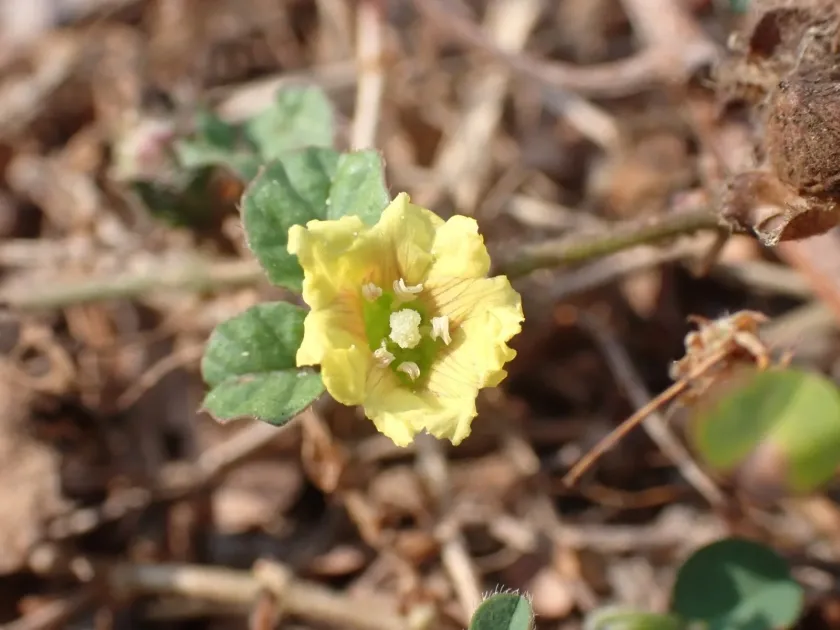
Description
Sowing dates
Merremia emarginata is a perennial herbaceous plant that typically propagates through seeds or vegetative growth in tropical climates.
Sowing in its natural habitat usually occurs shortly after the rainy season when soil moisture levels are ideal for seed germination.
For cultivation purposes, a loose, well-draining substrate rich in organic matter is recommended to support robust root development.
The optimal growing season begins when temperatures rise to 25-30 degrees Celsius, facilitating rapid vine expansion.
When planning a crop, it is essential to manage space efficiently, as the plant tends to spread aggressively across the ground.
Growing requirements
As a member of the Convolvulaceae family, this species thrives in sunny, well-lit locations with high ambient humidity.
It performs best in loamy or alluvial soils that provide sufficient moisture retention without becoming waterlogged.
Nitrogen and phosphorus fertilization are critical for maximizing the vegetative mass required for harvesting raw herbal material.
The plant is highly sensitive to cold weather and cannot tolerate frost, which limits its commercial range to tropical and subtropical zones.
Maintaining a consistent irrigation schedule is vital to ensure healthy development and to prevent dehydration during drier periods.
Yield
The primary economic value of the crop lies in its pharmaceutical properties, widely utilized in traditional medicine across South Asia and Africa.
Biomass is harvested for the extraction of bioactive compounds known for their anti-inflammatory and antiseptic medicinal benefits.
The yield of green biomass depends heavily on planting density, soil quality, and the strategic application of fertilizers during the cycle.
Due to its habit of forming dense ground covers, mechanized harvesting techniques can be applied in large-scale field operations.
Refined extracts from this plant are increasingly sought after by the botanical supplement industry for their therapeutic potential.
Main diseases and pests
The main threats to this crop include various fungal diseases that proliferate in environments with poor drainage and excessive moisture.
Pests such as aphids and spider mites frequently attack the foliage, posing a significant risk to the quality of the raw material.
Root rot is the most dangerous condition, often caused by overwatering or compacted soil that restricts oxygen to the root system.
Weed competition during the initial growth stage can severely stunt the plant, making early weeding essential for a successful harvest.
Integrated pest management strategies, including regular field inspections and soil aeration, are recommended to maintain a healthy plantation.