
Merremia pterygocaulos
Merremia pterygocaulos
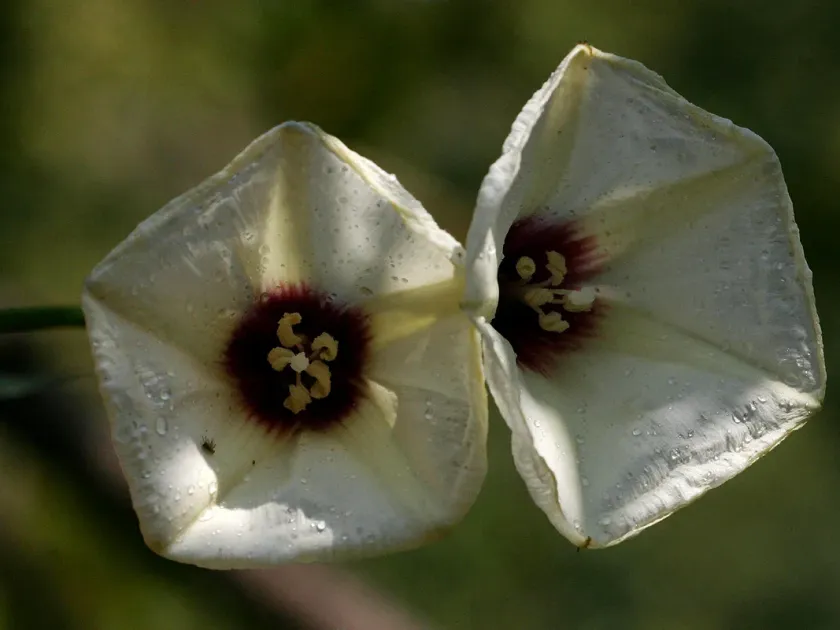
Description
Sowing dates
Merremia pterygocaulos is a heat-loving perennial vine belonging to the Convolvulaceae family. The seeds require well-warmed soil to initiate germination, making late spring the ideal time for sowing in temperate zones to avoid any risk of late frosts.
In its native tropical environment, the plant grows during the wet season, but in cultivated settings, it is best planted when the soil temperature consistently reaches 20°C or higher to ensure robust seedling vigor.
Pre-treatment of seeds via scarification or soaking in warm water for several hours is highly recommended. This process softens the tough seed coat and significantly improves the uniformity and speed of emergence.
The seeds should be sown at a shallow depth of approximately 1 to 2 centimeters in a well-draining, nutrient-rich substrate. Ensuring good contact between the seed and the soil is crucial for successful establishment.
When starting in containers, provide stable warmth and bright, indirect light until the true leaves have fully developed, then gradually acclimate the plants to direct sunlight before transplanting.
Growing requirements
This species thrives in high temperatures, ideally ranging between 22°C and 30°C. Cold spells below 10°C should be strictly avoided, as they can cause physiological damage and permanently stunt the growth of the vine.
The soil must be fertile and possess excellent drainage properties. A loam or sandy-loam texture is preferred, as this prevents waterlogging, which is the primary cause of root-related failures in Merremia species.
Light requirements are intense; the plant demands full sun to achieve its maximum growth potential. In lower light conditions, the stems become weak and leggy, and the foliage density decreases substantially, impacting the plant's overall health.
While the plant needs a consistent water supply during the active growth stage, it is sensitive to waterlogged conditions. Allow the top layer of the soil to dry slightly between waterings to prevent root rot.
- Install sturdy trellises or supports for the climbing habit.
- Apply balanced organic fertilizers to promote leafy growth.
- Ensure good air circulation around the canopy to minimize fungal issues.
Main diseases and pests
Spider mites are the most common pests affecting this plant, especially during dry and hot weather. They congregate on the undersides of leaves, causing speckling and eventual browning of the foliage.
Powdery mildew is a significant fungal threat, appearing as white patches on leaves. It is often triggered by excessive humidity levels combined with poor ventilation around the dense vine canopy.
Root rot pathogens, such as those caused by prolonged saturation of the soil, can lead to rapid wilting. Since these infections are often systemic, focus primarily on preventative drainage management rather than curative efforts.
Aphids can colonize the young, tender growth tips, extracting nutrients and causing leaf curling. Regular inspection of the plant's terminal ends is necessary to catch and treat infestations early.
Maintaining a clean garden environment by removing debris and practicing proper spacing will significantly reduce the pressure from both insects and fungal diseases throughout the growing season.