
Pseudostellaria heterantha
Pseudostellaria heterantha
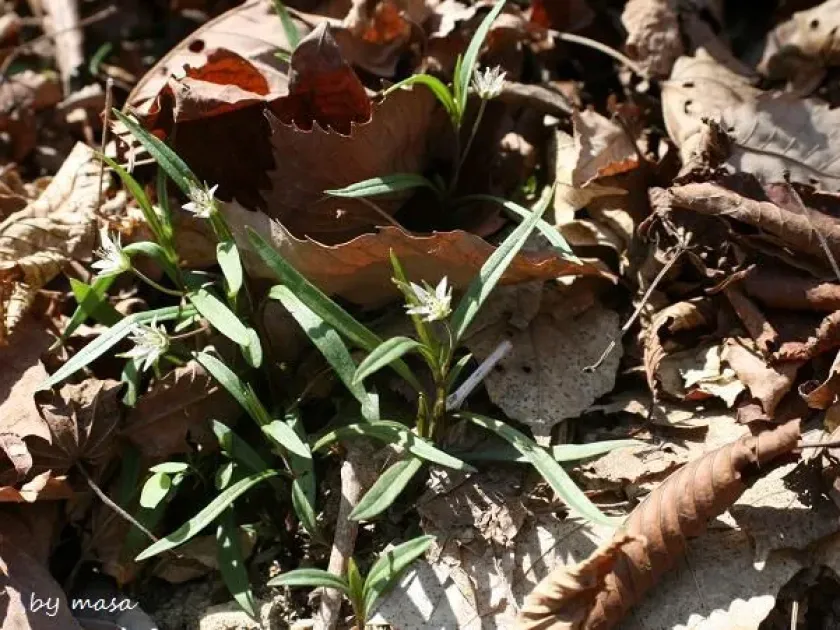
Description
Sowing dates
Sowing Pseudostellaria heterantha is typically scheduled for the autumn, as seeds require a period of stratification to achieve uniform germination. This mimics the plant's natural life cycle and improves survival rates.
When sowing in field conditions, the seeds should be placed at a depth of 1-2 centimeters. Covering them with a thin layer of light, friable soil provides the protection needed while allowing oxygen to reach the seeds.
Proper soil preparation before sowing is essential for this crop. Incorporating well-rotted organic matter will help provide the nutrients required during the initial growth stages.
The spacing between rows should be maintained to allow for mechanical weeding and proper air circulation, which helps in preventing the onset of various fungal diseases during the early spring.
For large-scale cultivation, modern precision seeders can be adjusted to handle the small seeds of this species, ensuring a consistent plant population across the entire field.
Growing requirements
Pseudostellaria heterantha, a member of the Caryophyllaceae family, thrives in conditions that mimic its native woodland habitat. It prefers areas with partial shade and protection from harsh, direct sunlight.
The soil must be well-drained but capable of retaining moisture. A slightly acidic to neutral pH is optimal, and the structure should be loose enough for the delicate roots to expand easily.
Water management is critical; the plant requires consistent moisture levels but is highly susceptible to root rot if the soil remains waterlogged for extended periods.
The use of mulch, such as straw or wood chips, is highly recommended. Mulching helps to maintain the cool soil temperatures that this plant prefers throughout the warmer growing months.
Fertilizer application should be balanced, focusing on the development of the underground tuberous roots. High nitrogen levels should be avoided to prevent excessive leafy growth at the expense of root yield.
Yield
The yield of this crop is measured by the quality and weight of the tuberous roots harvested after the growing cycle. Generally, the crop reaches maturity after 2-3 years of growth.
Maximum yield is achieved through a combination of appropriate soil conditions, adequate irrigation, and the total prevention of weed competition during the early stages of development.
Researchers note that the plant's reproductive strategy, which involves both chasmogamous and cleistogamous flowers, can impact the uniformity of seed production and subsequent plant growth.
To maximize commercial output, growers should focus on selecting high-vigor plant lines that produce larger, more uniform roots that meet the standards of the botanical and medicinal markets.
Proper record-keeping of soil nutrient levels and seasonal climate variations helps producers fine-tune their agronomic practices to consistently reach higher yield targets year over year.
Main diseases and pests
Fungal diseases, specifically those causing root and crown rots, pose the most significant threat to the plant. These are often exacerbated by poor drainage and excessive irrigation.
Pests such as wireworms and soil-dwelling larvae can severely damage the roots, leading to yield losses and lower product quality. Integrated pest management strategies are essential for control.
Aphids can infest the foliage, reducing the plant's overall vigor. Monitoring for early signs of infestation is crucial, as they can also act as vectors for various plant viruses.
Slugs and snails can quickly devour young seedlings. Using physical barriers or environmentally friendly baiting methods can significantly reduce their impact on the crop population.
Regular monitoring and rapid intervention are the pillars of crop protection for this species, as the delicate root systems do not recover easily from significant pest or disease pressure.
Harvesting
Harvesting is performed during the plant's dormant period, typically in late autumn. This is when the leaves have withered and the plant has concentrated all its energy into the roots.
Careful extraction is necessary because the roots are thin and brittle. Using specialized forks allows the harvester to lift the plants without cutting or breaking the valuable harvest.
Immediately after lifting, the roots should be cleaned, washed, and sorted by size. Ensuring the roots are handled gently throughout this process maintains their market value and shelf life.
Drying is a critical post-harvest step. It should be done in a shaded, well-ventilated area or in industrial dryers at controlled, low temperatures to prevent degradation of active compounds.
Once dried to the required moisture level, the product should be stored in containers that offer protection from humidity and light, ensuring the final product remains stable until it is processed.