
Pseudostellaria heterophylla
Pseudostellaria heterophylla
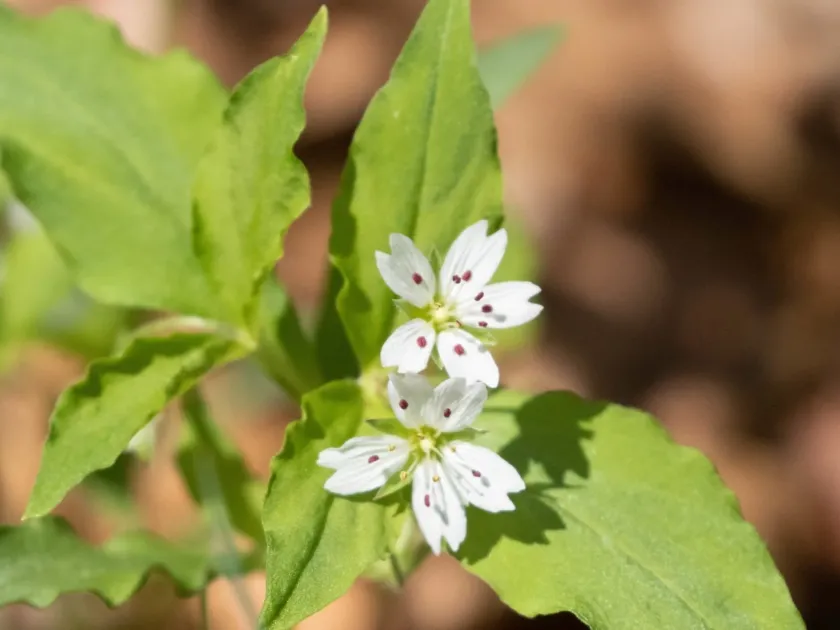
Description
Sowing dates
The sowing of Pseudostellaria heterophylla is primarily performed in the autumn, as seeds require a period of stratification to germinate successfully in the spring.
Optimal timing for field establishment occurs between October and November when soil temperatures drop, which helps prevent premature sprouting before winter.
Seeds should be planted at a shallow depth of no more than 1 to 2 centimeters to ensure protection against moisture loss while allowing for early spring emergence.
The seeding rate is calculated based on the target population density, which generally aims for 200,000 to 300,000 plants per hectare for maximum productivity.
Using high-quality stratified seeds significantly improves field emergence rates and ensures uniform growth across the entire plantation area.
Growing requirements
This crop belongs to the Caryophyllaceae family and is highly valued as a medicinal plant, commonly known in traditional practice as Tai Zi Shen.
Pseudostellaria heterophylla thrives best in shaded or semi-shaded environments, as direct sunlight can be detrimental to the development of its underground tubers.
Soil requirements include light, sandy or sandy-loam textures with excellent drainage and aeration, along with a near-neutral pH level for optimal nutrient absorption.
The plant is extremely sensitive to soil moisture levels; waterlogging can quickly lead to root rot, while drought conditions effectively halt vegetative development.
An ideal temperature range for active growth is between 15 and 22 degrees Celsius, as temperatures exceeding 30 degrees trigger an early dormant state.
Yield
The yield of marketable tubers depends heavily on agronomic management, typically ranging from 1,500 to 2,500 kilograms of raw material per hectare.
Peak productivity is achieved in well-drained soils enriched with organic matter, supported by consistent and careful irrigation management throughout the cycle.
The concentration of bioactive compounds in the tubers is closely linked to the plant's age, making a 2 to 3-year growth period ideal for harvesting.
Intensive farming practices, including the use of balanced fertilization, can increase the mass of the marketable root fraction by approximately 20-30 percent.
Effective weed control is a critical factor for yield stability, as competition in the early growth stages can severely stunt the development of the young crop.
Main diseases and pests
Fungal diseases, particularly root rot, pose the greatest threat to the crop, often triggered by excessive moisture during rainy spells or poor drainage.
The foliage is susceptible to powdery mildew, especially in environments with high humidity and insufficient air circulation within the planting rows.
Soil-dwelling pests like nematodes and wireworms cause significant damage by feeding on the tubers, rendering them unusable for pharmaceutical purposes.
Disease prevention strategies prioritize strict crop rotation cycles and the rigorous sterilization of planting material before it is introduced to the soil.
- Consistent mechanical weeding between rows.
- Monitoring and regulating soil drainage systems.
- Application of bio-fungicides at the first sign of infection.
Harvesting
Harvesting is conducted after the aerial parts of the plant have fully withered, which typically occurs by mid-to-late summer depending on the climate.
Tubers must be extracted from the soil with great care to avoid bruising or skin damage, which significantly compromises the quality and market value of the crop.
Post-harvest processing involves gentle cleaning to remove soil particles, followed by washing and drying in climate-controlled, well-ventilated facilities.
To preserve essential bioactive components, drying must be carried out at moderate temperatures, avoiding direct sun exposure and excessive heat stress.
Once dried to the correct moisture content, the tubers are sorted by size, packaged in breathable containers, and stored in cool warehouses for further processing.