
Purple mouse-ear chickweed
Cerastium purpurascens
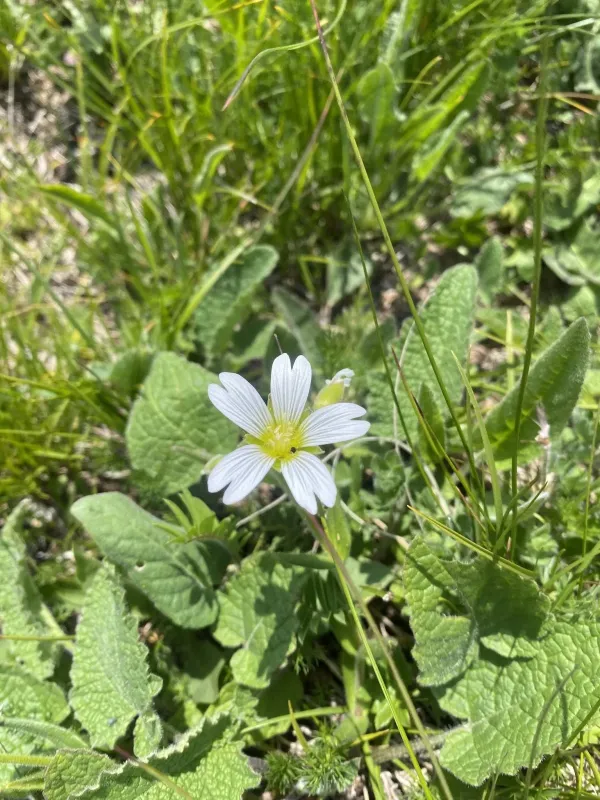
Description
Sowing dates
Seeds are typically sown in early spring or late autumn to allow for stratification. They are broadcast over a prepared, finely textured seedbed and lightly pressed into the surface rather than buried, as they require light to germinate. Germination usually occurs within two to three weeks under consistent moisture.
Growing requirements
Purple mouse-ear chickweed (Cerastium purpurascens) is a perennial herbaceous plant belonging to the Caryophyllaceae family. It is widely recognized in horticulture for its dense, low-growing growth habit, featuring silver-grey foliage and delicate flowers that bloom in late spring.
Native to mountain ranges and rocky habitats, this plant has evolved to thrive in challenging environments. In agricultural and landscaping settings, it serves as an excellent ground cover, effectively suppressing weed growth while providing a sophisticated, uniform texture to garden borders and rockeries.
To ensure optimal development, the crop requires full sun exposure and well-draining soil. It is particularly sensitive to waterlogged conditions, which can lead to root rot; therefore, planting it in sandy or gritty soil substrates is essential for the long-term viability of the colonies.
Regarding climate, Cerastium purpurascens is highly hardy and can tolerate cold temperatures and high winds. It does not demand high soil fertility and often performs better in poorer, rockier substrates, which prevents the plant from becoming too leggy and losing its compact, mounded appearance.
Routine maintenance involves trimming the plant after the main blooming period to encourage dense, fresh growth and to tidy up the overall structure. It is a low-maintenance species that rewards minimal intervention with reliable seasonal performance and persistent evergreen-like foliage.
Main diseases and pests
The primary threats include fungal diseases such as root rot and stem decay, often caused by excessive humidity or poor soil drainage. Maintaining proper plant spacing to ensure airflow is the most effective preventative measure. Aphids may occasionally infest new growth, requiring manual removal or horticultural soap treatments.