
Pseudostellaria europaea
Pseudostellaria europaea
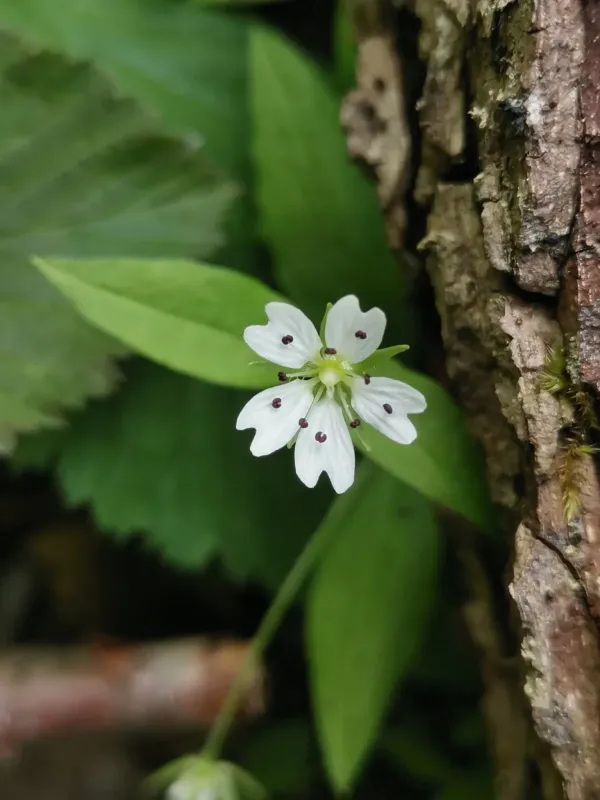
Description
Sowing dates
The sowing of Pseudostellaria europaea seeds should be performed in autumn to ensure they undergo the necessary stratification period. Sowing in October or November allows the seeds to benefit from natural winter cold, which is essential for uniform germination.
For greenhouse production, seeds can be stratified artificially by placing them in a refrigerator at 2–4 degrees Celsius for several weeks. This method allows for a controlled start to the germination process before the spring growing season.
Due to the small size of the seeds, they should be sown on the surface and only lightly covered with a fine layer of substrate. It is crucial to maintain good soil-to-seed contact to facilitate moisture absorption and initiation of growth.
Mixing seeds with dry sand during distribution helps achieve an even stand. This practice reduces the risk of overcrowding, which could otherwise limit the plants' access to light and nutrients during the critical early growth stage.
After sowing, covering the beds with a light layer of mulch can help preserve soil moisture. This is especially important as seedlings are highly susceptible to drying out during the initial weeks following emergence.
Growing requirements
Pseudostellaria europaea, a member of the Caryophyllaceae family, thrives in shaded or semi-shaded environments with consistent soil moisture. It is best suited for woodland-like settings where it is protected from direct, harsh sunlight.
Soil requirements include high organic matter content and excellent drainage. The plant possesses specialized root tubers, making it sensitive to waterlogged soils that can lead to root rot and eventual plant collapse.
A slightly acidic to neutral soil pH is ideal for this crop. Before planting, integrating well-composted organic material into the topsoil provides a steady release of nutrients, which promotes healthy tuber development throughout the season.
The crop requires a temperate climate with moderate conditions. While it is hardy against winter cold, it lacks drought tolerance, necessitating consistent irrigation during periods of low rainfall in the spring and summer months.
Agronomic management should prioritize low-impact cultivation techniques. Given the fragility of the plant structure, weeding should be performed manually to ensure the integrity of the root system remains undisturbed.
Main diseases and pests
Fungal diseases are the primary threat to the crop, particularly in environments with poor air circulation or excessive moisture. Root rot is a significant concern that can destroy the tubers before symptoms appear on the foliage.
Slugs and snails are frequent pests that can cause severe defoliation of young leaves. Implementing physical barriers or organic deterrents is recommended to manage these pests without damaging the sensitive plant tissues.
Aphid infestations can occur during peak growth periods, leading to stunted shoots and overall plant weakness. Monitoring for these pests is essential, and early intervention with biological controls is often the most effective strategy.
Powdery mildew may develop if the crop is planted too densely or if there is high humidity. Proper spacing and removing infected plant parts are necessary to prevent the spread of the pathogen throughout the cultivation plot.
Effective crop sanitation is critical for managing potential threats. Regularly removing debris and maintaining weed-free rows helps keep the environment unfavorable for common pathogens, promoting a healthier and more vigorous crop stand.