
Carthusian pink
Dianthus carthusianorum
Description
Sowing dates
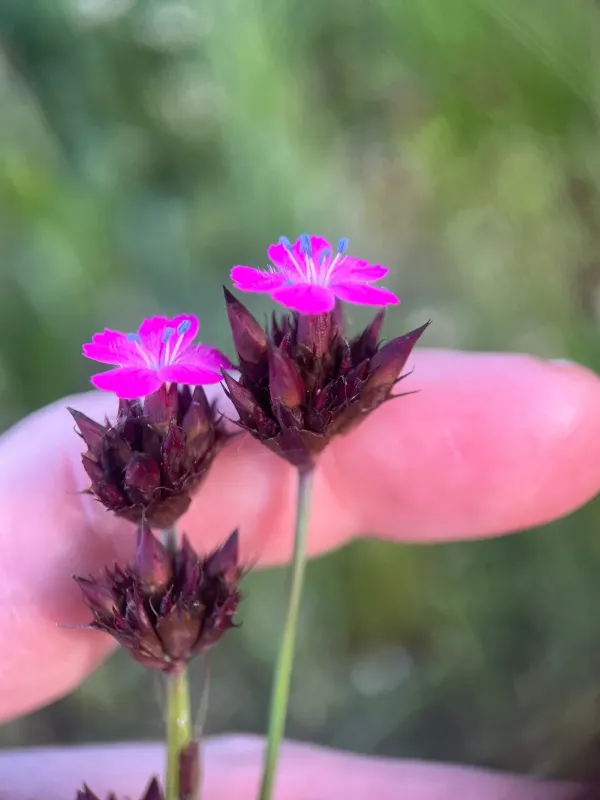
The Carthusian pink (Dianthus carthusianorum) belongs to the Caryophyllaceae family. It is a perennial herbaceous plant, widely recognized for its cluster-flowered inflorescences and adaptability to various garden environments.
Seeds are typically sown in early spring, either in containers for transplanting or directly into prepared soil once frost risk has passed. Germination requires light, so seeds should not be buried deeply.
For indoor propagation, sowing in March ensures strong plants ready for transplanting in late May. Maintain temperatures near 20 degrees Celsius and provide adequate light to prevent leggy seedlings.
Direct outdoor sowing is best done in May or early autumn. The soil should be finely raked and kept moist until germination occurs, which usually takes about two to three weeks under optimal conditions.
Proper spacing of 25-30 centimeters between plants is essential. This prevents overcrowding, allows for better air movement, and reduces the risk of moisture-related fungal infections.
Growing requirements
This species thrives in well-drained, sandy, or rocky soils. It is native to dry grasslands and mountain slopes, reflecting its preference for sites that do not retain excess water.
Exposure to full sunlight is crucial for the Carthusian pink to produce its characteristic vibrant flowers. Shaded conditions lead to weak stems and significantly reduced blooming cycles.
The plant prefers neutral to slightly alkaline soil conditions. If the soil is naturally acidic, applying lime or dolomitic amendments will improve growth and flowering performance.
The Carthusian pink is remarkably drought-tolerant once established. While it appreciates occasional watering during extreme dry spells, excessive irrigation can cause root decay.
Avoid heavy nitrogen fertilizers, as they encourage excessive foliage growth rather than flowering. A balanced, low-nitrogen or phosphorus-potassium-rich feed is preferred early in the growing season.
Main diseases and pests
Rust and fusarium wilt are the most common diseases, usually triggered by poor drainage or high humidity. Removing affected leaves immediately helps manage the spread within a planting zone.
Pests such as aphids and spider mites can attack the succulent stems and leaves. Regular monitoring and the use of insecticidal soaps are effective methods for controlling these infestations.
Root rot is a significant danger if the soil is too heavy or waterlogged. Ensuring the soil structure is friable and well-aerated is the best preventative measure against this condition.
Nematode infestations can lead to stunted growth and poor flower production. Maintaining healthy, weed-free soil is essential for preventing the spread of these soil-borne pathogens.
Good sanitation, including the removal of dead plant material at the end of the season, reduces the overwintering habitat for pathogens and pests, ensuring healthier growth next spring.
Harvesting
Flowering typically occurs from June through September. The flowers are excellent for cut-flower use, maintaining their aesthetic appeal for several days when placed in clean water.
For seed collection, wait until the seed pods turn brown and begin to dry on the stem. Carefully harvest these pods and dry them in a well-ventilated, shaded area to prevent mold.
Pruning back the stems after the main bloom cycle finishes promotes better plant vigor. This prevents the energy from going into seed production, allowing the plant to store reserves for winter.
Seeds should be stored in a cool, dry environment in paper envelopes to maintain viability. With proper storage, the seeds of the Carthusian pink can remain viable for several years.
Strategic pruning and regular inspection during the harvest period keep the plant in good condition for the following season, preventing disease buildup and promoting long-term survival.