
Field Mouse-ear
Cerastium arvense L.
Description
Sowing dates
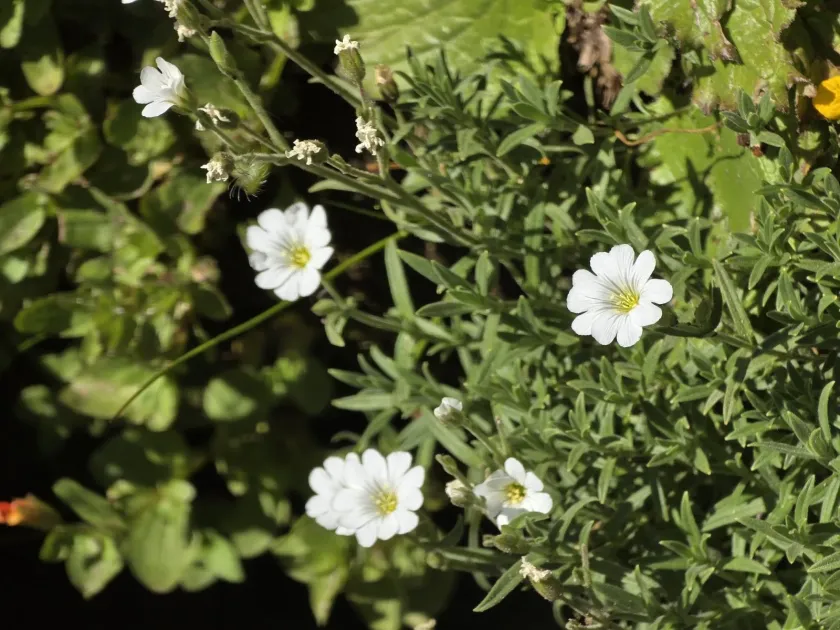
Field Mouse-ear (Cerastium arvense) is a perennial herbaceous plant belonging to the Caryophyllaceae family. In agriculture and landscaping, this species is highly valued for its ability to form dense, low-growing mats that effectively cover the soil surface.
The plant can be propagated by both seeds and vegetative division. Sowing should be carried out in spring once the soil temperature is consistently above 10 degrees Celsius, ensuring optimal conditions for germination and early seedling development.
Vegetative propagation is achieved through the division of mature clumps or taking stem cuttings. This method is preferred for quick coverage of larger areas, ideally performed during the early spring or late autumn when humidity is sufficient for root establishment.
When planting, it is necessary to maintain a spacing of at least 20–30 cm between plants. This distance allows for adequate air circulation, which is crucial for preventing the buildup of excess humidity within the dense foliage of the plant.
During the initial stages of establishment, diligent weed control is essential. As the Field Mouse-ear grows, its dense habit begins to naturally outcompete many annual weed species, effectively reducing the maintenance requirements over time.
Growing requirements
This species is highly adaptable, though it thrives best in locations with full sun exposure. While it can survive in partial shade, excessive lack of light often leads to leggy growth and significantly reduced flowering density.
The soil should be light, well-draining, and ideally sandy or rocky. Field Mouse-ear is particularly noted for its ability to thrive in poor soils where more demanding crops would fail, provided the drainage is efficient.
The plant exhibits high cold hardiness, making it suitable for a wide range of temperate climates. It does not require winter protection, as it is naturally adapted to cold winters and fluctuations in temperature during the early spring season.
Agrotechnical maintenance includes the moderate application of mineral fertilizers. Phosphorus and potassium are favored to strengthen the plants, while nitrogen should be used sparingly to avoid producing excessive vegetative growth at the expense of bloom.
Field Mouse-ear is remarkably drought-tolerant once established. Watering should be infrequent, only necessary during prolonged periods of extreme heat and drought to maintain the vitality and appearance of the foliage.
Yield
The primary economic use of Field Mouse-ear is in ornamental horticulture and landscape engineering. It is an excellent choice for rock gardens, alpine beds, and slope stabilization projects where a low-maintenance cover is required.
In seed production, the yield depends heavily on the health of the maternal stands and optimal light exposure. Careful selection of site and management can result in a high-quality seed harvest, meeting professional landscaping standards.
As a phytomeliorative crop, Field Mouse-ear is used to prevent soil erosion on steep, unstable terrain. Its fibrous root system creates a stable network that binds the soil, making it highly useful for ecological restoration.
The plant is increasingly used as a component of sustainable lawn mixtures, such as meadow or "no-mow" gardens. These configurations provide ecological benefits, supporting biodiversity while requiring minimal chemical inputs.
Being a perennial crop, it offers long-term productivity for green infrastructure. Once a plot is established, it provides consistent results for several years, reducing the need for constant replanting or soil disturbance.
Main diseases and pests
Field Mouse-ear is generally robust and resistant to most common plant diseases. However, improper management or poor environmental conditions can lead to specific health issues that require monitoring and corrective action.
- Powdery mildew: a risk factor in cases of excessive moisture and poor air circulation.
- Root rot: typically occurs due to waterlogged, heavy soils or lack of proper drainage.
- Rust: may affect foliage under conditions of high humidity and stagnant air.
- Aphids: occasionally target young, succulent growth during the peak of spring.
- Spider mites: rare, usually appearing only during extreme and prolonged dry spells.
Fungal issues are primarily managed through preventative measures, such as providing adequate drainage and avoiding overhead irrigation. If necessary, systemic fungicides can be used to treat early infections.
Pests are rarely a major issue because the leaves' fine pubescence makes the plant less palatable to many insects. Regular inspection is sufficient to maintain the overall vigor of the stand.
Good agricultural hygiene, including the removal of dead or decaying plant material after the winter season, helps keep the infection pressure low and ensures a vigorous start to the new growth cycle.
Harvesting
Seed harvesting is conducted when the seed pods have reached full maturity, indicated by a deep brown coloration. Because seeds are prone to natural dispersal, harvesting must be timed accurately to minimize losses.
It is recommended to collect the seed-bearing stems just before total dehiscence and allow them to finish drying in a controlled, well-ventilated indoor environment to ensure the highest quality of the seed stock.
After thorough drying, the material is threshed and passed through standardized sieves to separate clean seeds from chaff. Properly stored in cool, dry conditions, the seeds maintain high viability for several years.
For ornamental maintenance, a post-bloom pruning is recommended. This practice removes old flowering stems, tidies the appearance of the mat, and encourages a healthy second flush of vegetative growth.
The harvesting process must be executed with care to preserve the integrity of the perennial root system. This approach ensures that the stand remains vigorous and productive for future seasons without needing complete renewal.