
Snow-in-summer
Cerastium tomentosum L.
Description
Sowing dates
Propagation is typically done via seeds or vegetative methods such as division and cuttings. Seeds are sown in spring when the soil warms up, or in late autumn for stratification.
When sowing, seeds are spread on the surface and lightly dusted with sand. Consistent moisture is essential during the germination period, which usually takes 14 to 20 days under optimal conditions.
Vegetative propagation involves taking cuttings in early summer and rooting them in loose, well-drained soil. This method ensures that the unique silvery traits of the parent plant are preserved.
For carpet-like coverage, planting density should be approximately 9–12 plants per square meter. This allows for sufficient spread within a single growing season.
Young plantings require regular weeding during the first year, as Snow-in-summer can be slow to establish and may be crowded out by more aggressive weeds.
Growing requirements
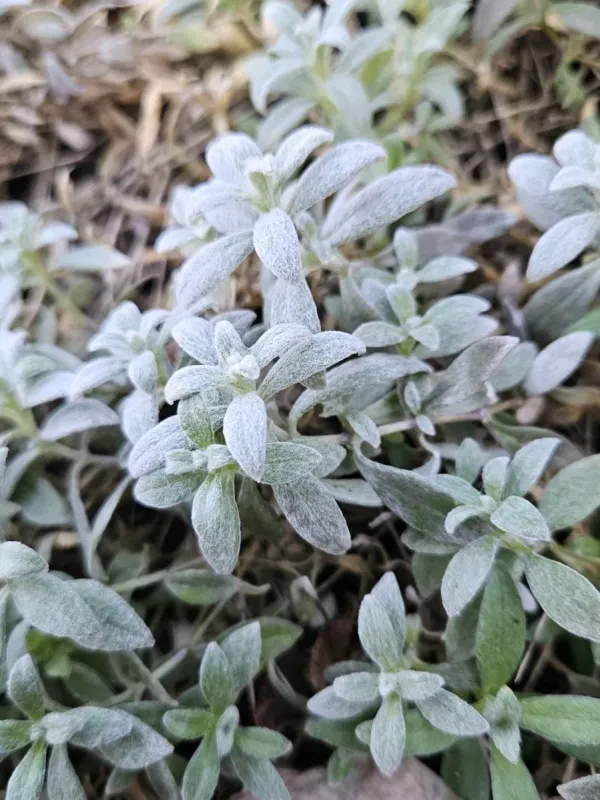
Snow-in-summer (Cerastium tomentosum L.) belongs to the Caryophyllaceae family. It is a perennial herbaceous plant valued in agriculture and landscaping for its striking silvery-white foliage.
Native to the mountainous regions of Southern Europe, the plant is highly adapted to poor, rocky substrates. It forms dense, mat-forming carpets reaching heights of 20–30 cm.
For successful cultivation, the plant requires well-drained, sandy or gravelly soil with low organic matter. It is extremely sensitive to waterlogging, which often causes root rot.
The species is sun-loving and drought-tolerant. In open fields, it thrives in full sun, which enhances the silver pubescence of the leaves, creating the characteristic "snow" effect.
General maintenance includes moderate watering only during prolonged droughts. Excessive fertilization is discouraged, as high nitrogen levels cause the plant to lose its compact form and become leggy.
Main diseases and pests
The primary threat is root rot caused by poor soil drainage or excessive soil moisture. Avoiding heavy clay soils and providing adequate drainage is the best preventative strategy.
Pests are rarely a significant issue due to the plant's hairy leaves, but aphids may occasionally infest the plants in unfavorable conditions. Systemic insecticides can be used if an outbreak occurs.
Powdery mildew can develop in overcrowded areas with poor air circulation. Regular trimming after the blooming season helps maintain plant health and reduces humidity around the foliage.
Nematodes may affect the roots if the plant is grown continuously in the same location without crop rotation or soil treatment. Monitoring for plant decline is recommended.
Slugs and snails can cause mechanical damage to young shoots in wet weather. Using physical barriers or bait is effective in controlling these pests in commercial nursery settings.
Harvesting
Snow-in-summer is primarily used for ground cover and landscaping. There is no traditional harvest; however, post-bloom trimming is essential to encourage new, compact growth.
Seeds are harvested when the capsules turn yellowish-brown. Collection must occur in dry weather to prevent mold growth on the seed material.
For aesthetic maintenance, complete shearing of the plants in late autumn is beneficial. This practice encourages a more vigorous and uniform growth of silvery foliage in the following spring.
If transplanting is necessary, it should be done in early spring or late summer, allowing the root system enough time to stabilize before the ground freezes.
As a perennial ground cover, the cultivation cycle is focused on long-term management and the occasional division of older clumps to maintain plant vigor and density.