
Spikenard
Nardostachys jatamansi
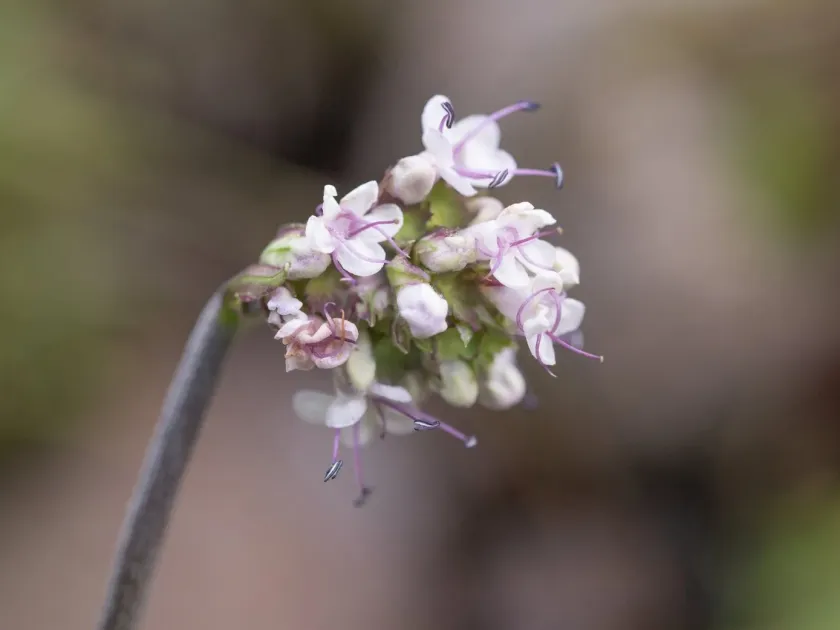
Description
Sowing dates
Propagation of Nardostachys jatamansi in cultivation is primarily carried out vegetatively by dividing rhizomes, which allows for faster production of marketable yield. Seed propagation is challenging due to the low germination rate and the seeds' high sensitivity to storage conditions.
Planting is typically performed in the autumn or early spring once the soil warms up to minimum acceptable temperatures. The optimal time for rooting is during the spring snowmelt, providing sufficient moisture for the root system to establish effectively.
A crucial factor when planting is the selection of a plot with a loose, well-drained structure that mimics its natural high-altitude habitat. Planting density is calculated based on the rate of root mass development expected in the specific region.
Spikenard seeds require preliminary stratification at low temperatures, a detail that must be incorporated into the agricultural planning for farms. The seeding depth should not exceed 0.5–1 cm to ensure successful germination and seedling emergence.
Crop rotation is critical for this species, as it is highly susceptible to the accumulation of soil-borne pathogens when grown repeatedly on the same site. It is recommended to reintroduce the crop to a previous plot no earlier than 4-5 years later.
Growing requirements
Nardostachys jatamansi, belonging to the Caprifoliaceae family (formerly Valerianaceae), is a typical high-altitude plant that requires specific environmental conditions to thrive. Its natural range covers the subalpine zones of the Himalayas, necessitating cool temperatures.
The crop prefers slightly acidic to neutral humus-rich soils with a high content of stony inclusions, which ensure excellent drainage. Waterlogging is detrimental to the rhizome, making it highly prone to rot if moisture levels are excessive.
Optimal growth requires intense sunlight combined with cool nighttime temperatures. In hot climates, the plant loses its medicinal properties and shows a significant decrease in biomass accumulation rates.
Agricultural management includes regular inter-row cultivation to ensure oxygen access to the roots. Fertilizer application should be moderate, prioritizing organic compositions to avoid promoting excessive aerial growth at the expense of active compound accumulation in the rhizomes.
Environmental conditions for cultivation should mimic a mountain climate: moderate air humidity, protection from drying winds, and the absence of extreme heat during the active growing season.
Yield
The yield of Nardostachys jatamansi on a commercial scale depends directly on the quality of the planting material and adherence to specific altitude requirements. On average, the waiting period for the first significant harvest of marketable rhizomes is between three and five years.
The rhizome mass per hectare under intensive cultivation can vary, but due to the slow growth rate of the plant, commercial yields remain moderate. The primary value lies in the essential oil, the content of which in the rhizomes reaches 1-2%.
Harvesting efficiency is improved by using specialized equipment designed for the gentle extraction of rhizomes from rocky soils. Losses during harvest can reach 15% if the extraction process is not mechanized or is performed with insufficient care.
Potential yield assessment is based on the condition of the aerial leaf rosette: the more robust the vegetative mass, the greater the likelihood of a well-developed root system. However, the main focus remains on the accumulation of terpenoids in the roots.
To ensure stable yields, farms often apply soil mulching using gravel or crushed stone, which mimics the natural habitat and promotes better accumulation of secondary metabolites.
Main diseases and pests
The primary diseases affecting Spikenard include various types of root rot caused by pathogenic fungi from the Fusarium and Rhizoctonia genera. These become active under conditions of excessive soil moisture or a lack of proper drainage.
Pests affecting the crop include soil nematodes and wireworms, which damage the rhizome parts and reduce the quality of the raw material. Prevention involves soil disinfection and the use of clean, certified planting material.
In greenhouse conditions or with high planting density, powdery mildew can occur. In such cases, it is necessary to control humidity levels and perform timely thinning of plantings to improve air circulation.
Controlling diseases and pests is complicated by the plant's status as a medicinal herb, which limits the use of aggressive synthetic pesticides. The use of biological plant protection agents and strict adherence to agricultural protocols are highly recommended.
Weeds are serious competitors for young Spikenard plants, making systematic weeding mandatory. The presence of weeds not only competes for moisture and nutrients but also creates a favorable microenvironment for the development of pathogenic microorganisms.
Harvesting
Harvesting of Spikenard rhizomes is performed after the completion of the vegetative period when the plant enters a dormant state. This ensures the raw material has the highest possible concentration of active ingredients.
The harvesting process involves digging up the rhizomes, cleaning them of soil and stem remnants, and washing them in running water. It is critical to avoid mechanical damage, which can serve as entry points for infections or trigger rot processes.
After cleaning, the material is immediately dried in the shade with good ventilation or in dryers with controlled temperatures not exceeding 40 degrees. High temperatures destroy essential oils, reducing both the quality and market value of the end product.
Once dried, the rhizomes are sorted by size and purity, removing any damaged or diseased parts. The final product should have a characteristic strong aroma and a dark brown surface color.
Storage of the harvested crop is carried out in airtight containers in a cool, dark place to prevent the evaporation of valuable essential oils and the oxidation of active compounds caused by light and oxygen exposure.