
Muenden honeysuckle
Lonicera muendeniensis
Description
Growing requirements
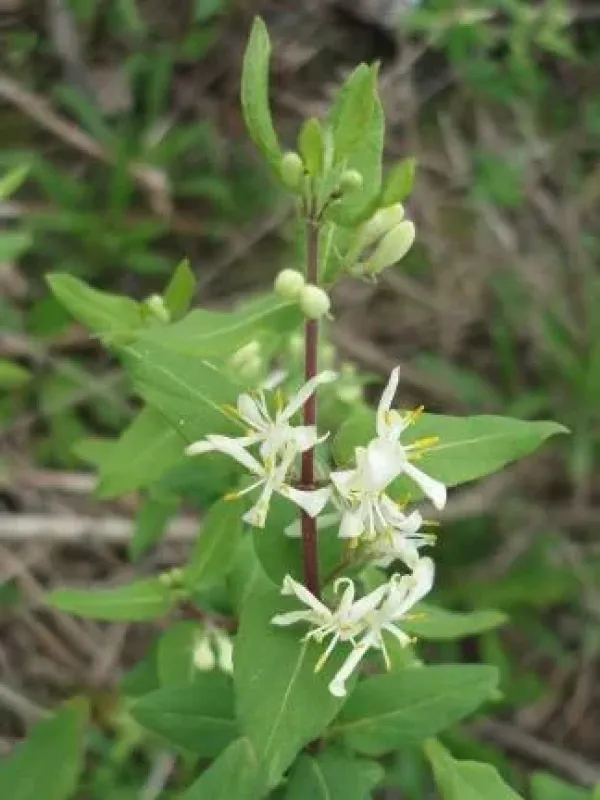
Muenden honeysuckle (Lonicera muendeniensis) is a hybrid ornamental shrub belonging to the Caprifoliaceae family. It is a cross between Lonicera tatarica and Lonicera xylosteum, resulting in a hardy plant that has gained popularity in temperate climate gardening.
Botanically, this shrub is characterized by its deciduous nature, reaching a height of up to 3 meters. It produces attractive, fragrant flowers during late spring and early summer, followed by small, inedible berries that attract local wildlife to the garden.
The plant thrives in well-drained, fertile soil and prefers locations with full sun to partial shade. While it is tolerant of a variety of soil types, consistent moisture during the establishment phase is essential for rapid growth and long-term vitality.
Maintenance is straightforward: it requires occasional pruning to maintain its structural shape, especially when used in formal hedging. Regular fertilization with balanced garden nutrients during the early spring supports vigorous new growth throughout the season.
Due to its high adaptability and dense foliage, Muenden honeysuckle is primarily used in landscape design. It is an excellent choice for privacy screens, windbreaks, and mass plantings in urban environments where air quality might otherwise stress more sensitive plants.
Main diseases and pests
The shrub is generally resilient but may suffer from aphid infestations in early spring. Additionally, high humidity levels can occasionally trigger powdery mildew, which can be managed by ensuring proper spacing between plants and maintaining adequate airflow.