
Mountain valerian
Valeriana montana
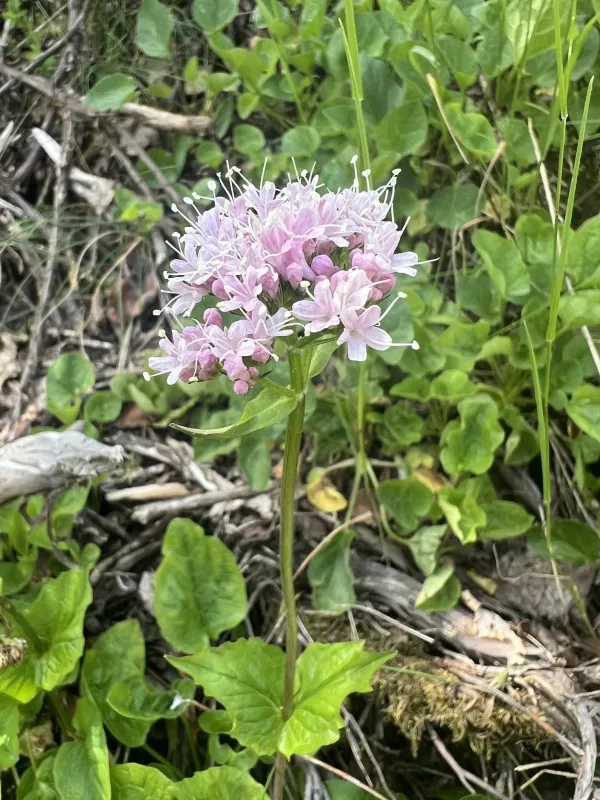
Description
Sowing dates
Mountain valerian (Valeriana montana) belongs to the Caprifoliaceae family and is an herbaceous perennial plant adapted to mountainous regions.
The seeds are typically sown in autumn, taking advantage of natural stratification, or in early spring after chilling the seeds to break dormancy.
For successful germination, sow the seeds on the surface or cover them very lightly with soil, as they require light to germinate efficiently.
Consistent moisture is essential during the initial growth phase, but waterlogging should be avoided to prevent seed decay in the early stages.
Spacing should be managed to ensure adequate airflow, which is critical for preventing fungal diseases in the dense foliage of the maturing plants.
Growing requirements
Mountain valerian prefers well-drained, calcareous soils with a neutral or slightly alkaline pH to reach its full development potential.
It thrives in open, sunny locations, reflecting its native alpine habitat, but can tolerate partial shade in areas with high summer temperatures.
Regular fertilization with organic matter enhances root development, which is the primary source of the plant's medicinal value.
Irrigation should be managed carefully to ensure the soil remains moist but never waterlogged, especially in regions with high precipitation.
The plant is highly frost-hardy and well-suited for temperate climates, requiring minimal protection even during harsh winter conditions.
Main diseases and pests
Fungal pathogens such as root rot and powdery mildew are the most common issues, particularly when humidity levels are too high.
Pests like aphids and spider mites may infest the foliage, especially if the plants are grown in overcrowded or poorly ventilated conditions.
Nematodes can affect the root system; therefore, crop rotation is a vital strategy for maintaining the health of the commercial plantations.
Manual weeding is recommended during the early stages of growth to reduce competition and prevent the spread of diseases from nearby weeds.
Integrated pest management, focusing on biological controls and good cultural practices, is preferred to ensure the safety of the harvested product.
Harvesting
The roots are harvested in the autumn of the second or third year of growth, when the aerial parts of the plant begin to wither and die back.
After harvesting, the roots must be thoroughly cleaned of soil and organic matter before they are processed for drying purposes.
Drying is performed at low temperatures (below 40°C) to prevent the loss of volatile oils that provide the plant with its therapeutic properties.
Once dried, the product should be stored in airtight containers away from direct light to preserve its potency for up to two years.
Mountain valerian is commercially valued for its extract, which is widely used in the pharmaceutical industry for its calming and sedative effects.