
Codonopsis pilosula
Codonopsis pilosula (Franch.) Nannf.
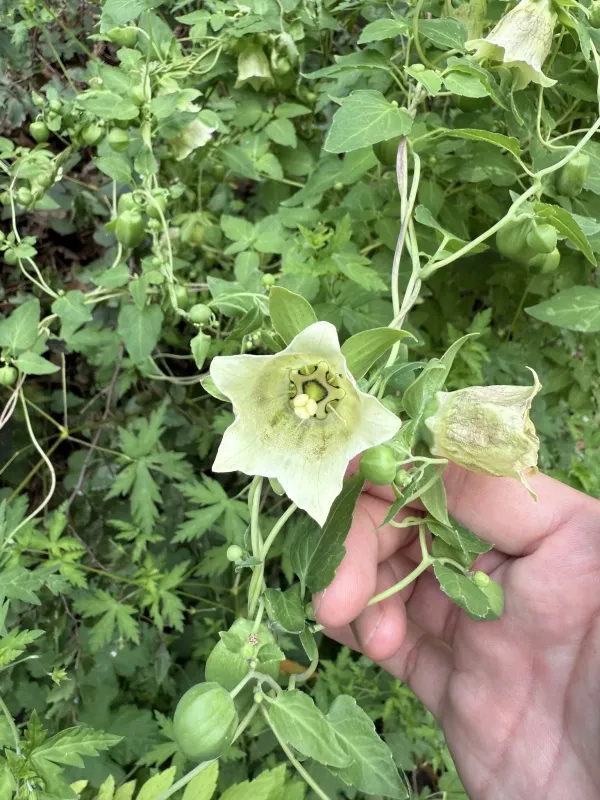
Description
Sowing dates
Codonopsis pilosula (Dang Shen) is typically sown in early spring as soon as the soil temperatures reach 10–12°C. In milder climates, late autumn sowing is an option, as it provides natural stratification, which improves germination rates.
The seeds are extremely small, requiring a shallow sowing depth of no more than 0.5–1 cm. Mixing seeds with fine sand before scattering is a recommended technique to ensure even distribution across the seedbed.
After sowing, the soil surface should be gently pressed to ensure good seed-to-soil contact. Maintaining consistent moisture is critical, as the small seeds are sensitive to drying out during the initial germination phase.
Standard row spacing is between 30 and 45 cm, which allows for efficient weeding and soil aeration. For intensive commercial production, the sowing rate is usually about 2–3 kg of seeds per hectare.
Belonging to the Campanulaceae family, this plant is a perennial climbing vine. It originates from mountainous forest regions in East Asia, where it thrives in humus-rich, well-draining environments.
Growing requirements
The crop requires deep, loose, loamy, or sandy soil with excellent drainage. Waterlogging is highly detrimental to root development and often leads to root rot, necessitating carefully selected planting sites.
Codonopsis prefers a neutral to slightly acidic soil pH. Before planting, it is essential to incorporate plenty of organic matter, such as well-rotted compost, to provide necessary nutrients for vigorous root growth.
While the plant benefits from sunlight, young seedlings are sensitive to harsh, direct heat and often perform best with light shade. In its natural habitat, it frequently grows under the protection of shrubs or open canopy forests.
A climate with moderate humidity and temperate seasons is ideal for cultivation. The plant is quite hardy, allowing it to withstand the colder months in many temperate regions without significant losses.
As a climbing vine, Codonopsis requires support structures like trellises. Vertical growth not only improves air circulation among the leaves but also facilitates easier monitoring of plant health and simpler harvesting.
Yield
The primary economic output of this crop is the root, which is highly valued in traditional herbalism. These roots contain various saponins and alkaloids that contribute to their therapeutic reputation as a tonic.
Roots are generally harvested in the second or third year of growth. Allowing the plant to reach this maturity ensures higher concentrations of bioactive compounds and a more substantial root size for market.
Under optimal management, yields of dried roots can range from 1.5 to 3 metric tons per hectare. Success depends heavily on soil fertility, moisture management, and effective weed control throughout the cycle.
Regular maintenance, including shallow cultivation between rows and the removal of competing weeds, is essential to maximize root development. Competition for nutrients early in the season significantly reduces overall yield.
The market value is determined by the quality of the dried root, which should be clean, uniform in shape, and free from decay. Careful post-harvest processing is mandatory to preserve the root's medicinal properties.
Main diseases and pests
Fungal root rot is the most significant threat, typically caused by poor drainage or excessive humidity. Prevention is focused on site selection and ensuring the soil remains aerated.
Slugs and snails can cause severe damage to young, tender sprouts in the spring. Implementing physical barriers or organic deterrents is often necessary to protect the seedlings until they establish stronger stems.
Powdery mildew may occur if the planting density is too high or if air circulation is insufficient. Thinning out the vines and maintaining good airflow help keep the plant foliage healthy throughout the summer.
Sap-sucking pests like aphids may weaken the plant, affecting its growth rate. Biological control measures are preferred to ensure the medicinal quality of the harvested roots is not compromised by chemical residues.
Poor agricultural practices, such as excessive nitrogen application, can stimulate lush vegetative growth at the expense of root health, making the plants more susceptible to common environmental pathogens.
Harvesting
Harvesting takes place in the autumn once the aerial parts of the vine begin to yellow and wither. This signifies that the plant has shifted its resources into the roots, maximizing the concentration of active ingredients.
Roots should be carefully excavated to avoid breakage or skin damage. Even minor wounds to the root can invite mold and significantly reduce the quality of the dried product during storage.
Post-harvest cleaning involves rapid washing in cool running water. Extended soaking should be avoided, as it can leach out important water-soluble compounds that define the root's medicinal value.
Drying is the final crucial step, performed in well-ventilated rooms or professional dehydrators at temperatures not exceeding 50°C. Proper airflow prevents microbial growth during the drying process.
The dried roots should be stored in a cool, dark, and dry environment. Utilizing breathable containers like cloth sacks helps prevent dampness and preserves the medicinal efficacy of the roots for up to two years.