
Teesdalia nudicaulis
Teesdalia nudicaulis
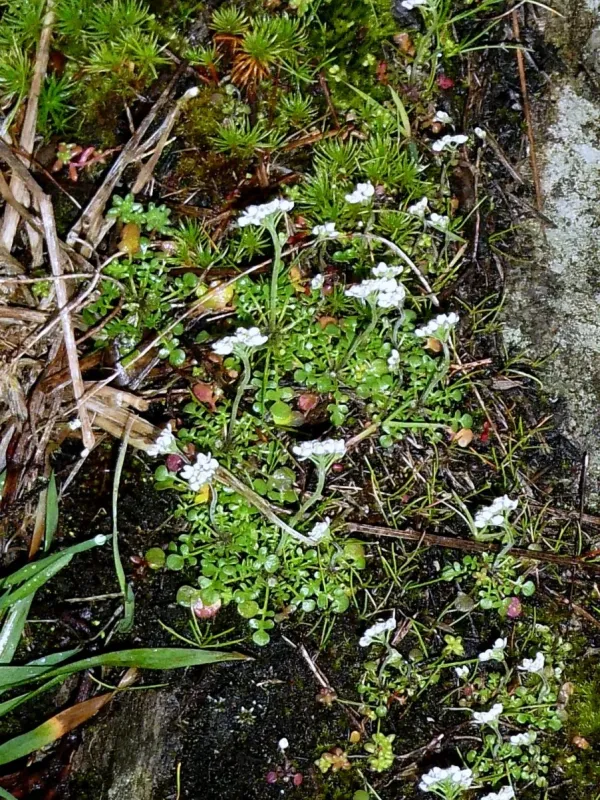
Description
Sowing dates
Teesdalia nudicaulis is an annual ephemeral species that completes its lifecycle in the early part of the growing season. Sowing is most effective when performed in autumn or early spring to mimic natural germination cycles.
Seeds require minimal soil coverage to germinate successfully. Broadcast sowing followed by light raking is usually sufficient to ensure proper seed-to-soil contact while maintaining necessary light exposure.
The timing of sowing is critical as the species depends on the availability of moisture from winter and spring precipitation. Early sowing allows the plants to establish before the onset of summer heat.
In cultivation, maintaining a low plant density is recommended to reduce competition. Proper spacing ensures that individual plants receive maximum sunlight, which is vital for their development.
The germination process can be improved by ensuring the seeds are stored in cool, dry conditions prior to sowing, which mimics the natural winter chilling period required for uniform sprouting.
Growing requirements
Teesdalia nudicaulis, a member of the Brassicaceae family, is highly specialized for habitats with nutrient-poor, sandy, or gravelly soils. It thrives where other, more competitive species fail.
The plant requires well-drained soil conditions. It is extremely sensitive to waterlogging, which can cause rapid rot of its delicate root system, therefore, soil aeration is paramount.
In terms of climate, the species is adapted to temperate conditions. It is cold-tolerant and relies on spring temperature fluctuations to trigger flowering and subsequent seed production.
Light intensity is perhaps the most important environmental factor. Teesdalia nudicaulis requires full sun exposure and is highly intolerant to shade, which rapidly leads to plant decline.
Regarding soil fertility, this plant is not nutrient-demanding. High-fertility soils or excessive fertilization are detrimental to the species, as they favor faster-growing weeds that will outcompete it.
Main diseases and pests
Flea beetles are the most significant pest for Teesdalia nudicaulis, especially during the seedling stage. These insects can quickly decimate young crops if not managed correctly.
Fungal diseases, particularly downy mildew and powdery mildew, may affect the foliage during periods of high humidity and poor ventilation. Keeping the stand open helps mitigate these risks.
Root rot is a major threat in soils with poor drainage. Once established, this pathogen is difficult to control, making preventive soil management the primary strategy for healthy growth.
Aphids occasionally colonize the flower stalks during the maturation phase. While their impact is often limited on a population scale, they can reduce seed yields in commercial cultivation settings.
Integrated pest management should prioritize clean cultivation practices and the removal of severely infected individuals to prevent the spread of pathogens throughout the planting area.