
Sinapidendron frutescens
Sinapidendron frutescens
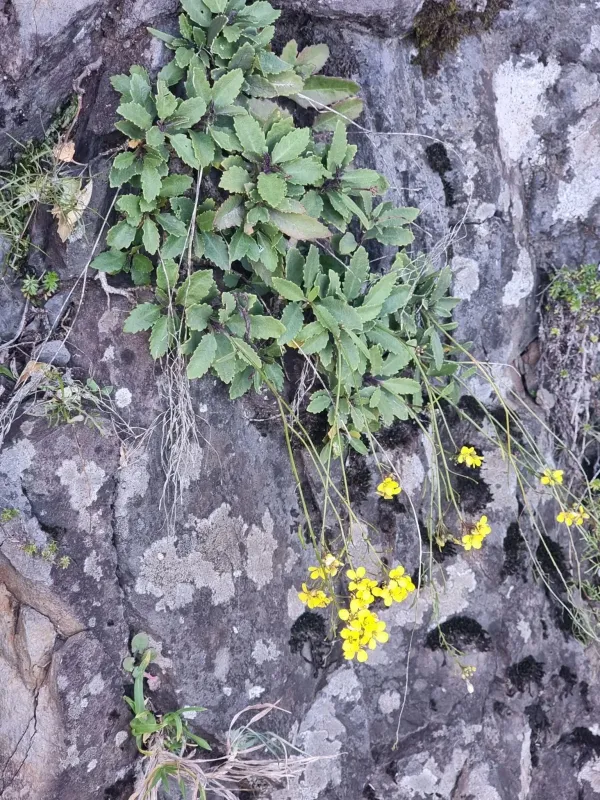
Description
Growing requirements
Sinapidendron frutescens is a unique perennial shrub species belonging to the Brassicaceae family. It is endemic to the island of Madeira, thriving in specific ecological niches characterized by rocky volcanic soils and maritime climate influences.
The plant exhibits a shrubby, woody habit at the base, which distinguishes it from more common herbaceous members of the cabbage family. Its foliage is typically lush and adapted to survive in environments with varying levels of light exposure.
Regarding soil requirements, this species demands a highly permeable and well-draining medium. Heavy, clay-based soils should be avoided, as the root system is highly sensitive to hypoxia caused by excess water retention.
Climate preferences for Sinapidendron frutescens align with mild, Mediterranean-like conditions. It requires consistent sunlight and protection from severe frosts, as sudden temperature drops can cause significant damage to its woody stems.
In terms of agricultural management, irrigation should be carefully monitored. The plant benefits from cycles of moisture followed by drying out periods, which reflects the natural precipitation patterns of its native habitat on Madeira.
Main diseases and pests
Root rot is the most significant threat to the health of Sinapidendron frutescens. It is almost exclusively caused by over-irrigation or soil that lacks the necessary structure for rapid drainage, leading to pathogen proliferation.
Aphids represent the primary insect pest for this culture. By colonizing the tender apical meristems, they inhibit growth and can serve as vectors for various plant viruses, necessitating timely monitoring and intervention.
Fungal diseases like powdery mildew may affect the foliage if the plants are placed in stagnant air conditions with high relative humidity. Maintaining adequate spacing between individual plants is essential for ensuring good airflow.
Caterpillars and other chewing insects may cause aesthetic and physiological damage to the leaves. Integrated pest management, focusing on manual removal or organic repellents, is preferred over the use of harsh synthetic chemicals.
Sanitation practices, such as removing fallen leaves and debris around the base of the plant, are crucial. This practice reduces the risk of fungal spore accumulation and limits the habitat for potential soil-borne pests.