
Psychine stylosa
Psychine stylosa
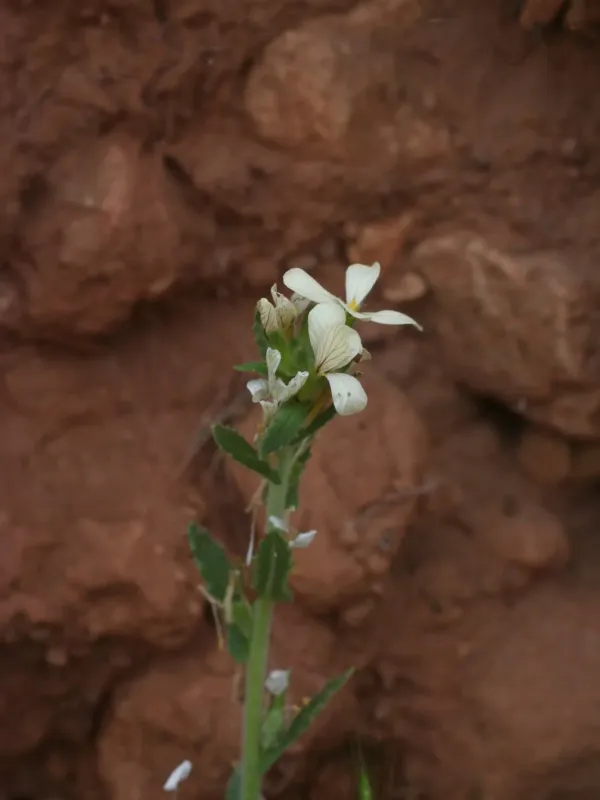
Description
Sowing dates
Psychine stylosa is a botanical species belonging to the Brassicaceae family, primarily native to arid regions of North Africa, where it has evolved specific survival strategies.
In an agricultural context, sowing should be timed to mimic the natural precipitation patterns of its native habitat to ensure successful germination and early establishment.
The seeds should be sown at a shallow depth, typically no deeper than 2 cm, to facilitate proper light absorption, which is critical for the germination process of this species.
Standard seeding rates are determined by the intended use of the crop, with precise row spacing helping to optimize plant vigor and minimize competition for nutrients.
Monitoring environmental variables during the initial stage is essential, as the species requires specific heat units to progress from seedling emergence to the rosette stage.
Growing requirements
The crop thrives in well-drained, sandy or light-textured soils that offer excellent oxygen availability to the root system, preventing potential root zone decay.
Psychine stylosa demands high solar exposure and is best suited for cultivation in open environments where shading is minimal throughout the growing season.
Soil pH levels should ideally fall within a neutral to slightly alkaline range to maximize nutrient uptake, reflecting the edaphic conditions of its evolutionary origins.
Water management is paramount; irrigation must be controlled to maintain adequate moisture without causing waterlogging, which the species does not tolerate well.
Strategic fertilization with micronutrients can enhance biomass production, ensuring the plant reaches its full physiological potential under cultivation conditions.
Main diseases and pests
Common pests associated with Brassicaceae crops, such as flea beetles, pose the most significant risk to the foliage development of Psychine stylosa.
Fungal pathogens represent the primary disease threat, particularly when humidity levels rise, necessitating careful management of canopy density and air circulation.
Implementing a strict crop rotation schedule is vital to break the life cycle of soil-borne pathogens and pests that specifically target this plant family.
Regular field scouting is highly recommended to identify early signs of stress or infection, allowing for localized interventions before problems become widespread.
The use of integrated pest management (IPM) practices, including cultural and biological controls, is the most effective approach for sustaining crop health.