
Pseuderucaria clavata
Pseuderucaria clavata
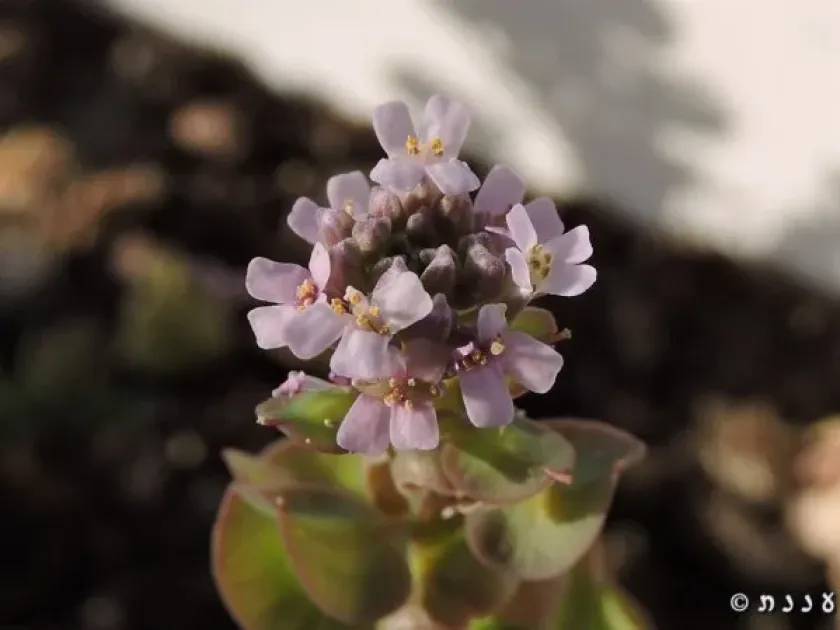
Description
Growing requirements
Pseuderucaria clavata is a resilient annual plant belonging to the Brassicaceae family. It is particularly noted for its ability to thrive in challenging environments where water scarcity limits the cultivation of traditional crops.
The native distribution of this species spans the arid and semi-arid regions of North Africa and the Middle East. It is well-adapted to sandy and silty soil textures that characterize these desert-adjacent ecosystems.
The plant demonstrates significant xerophytic characteristics, including a deep taproot system designed for moisture extraction from deeper soil horizons. Its morphology minimizes transpiration, helping it survive intense heat.
In terms of agricultural requirements, this crop thrives in well-drained soils with neutral pH levels. It is highly sensitive to waterlogging, which can cause rapid root degradation and overall plant failure.
Optimal growth conditions involve high solar radiation and stable temperatures. Proper spacing is essential to ensure that each individual plant has sufficient access to the limited moisture and nutrients available in arid soil profiles.
Main diseases and pests
The primary agricultural threats to Pseuderucaria clavata involve pests common to the Brassicaceae family. Flea beetles represent the most significant risk, particularly to young seedlings that are vulnerable during the emergence phase.
Aphid infestations can also impact plant vigor by consuming sap from leaves and stems. This damage can lead to reduced photosynthetic efficiency and poor development of reproductive structures.
Fungal pathogens associated with high humidity or soil moisture excess are major risks. These diseases can attack the root system, causing rapid decline in areas where drainage is insufficient.
Weed management is a crucial aspect of early-stage cultivation. Since the plant grows in environments where resources are scarce, competing weeds can quickly suppress its growth and limit total yield potential.
Integrated pest management strategies are recommended, focusing on regular scouting and preventative cultural practices. Avoiding excessive fertilization is also key, as it can inadvertently attract pests or decrease the plant's natural stress resistance.