
Physaria didymocarpa
Physaria didymocarpa
Description
Growing requirements
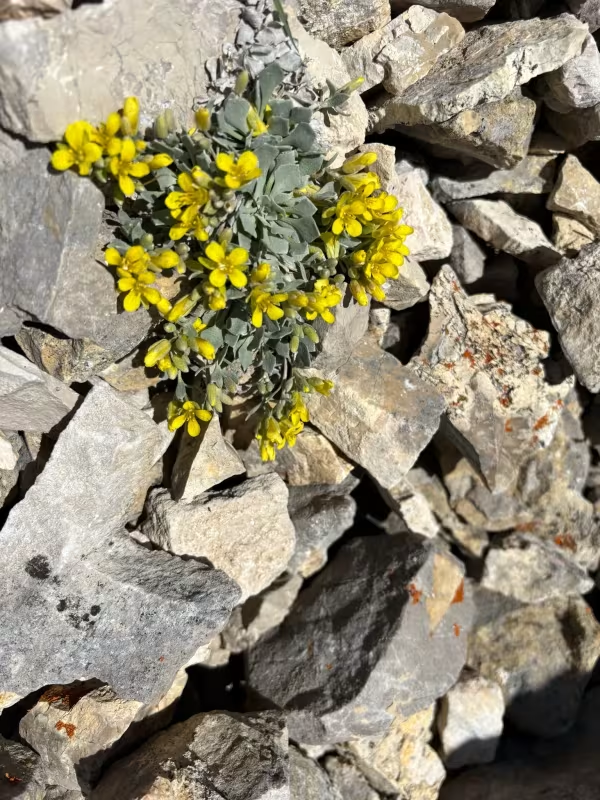
Physaria didymocarpa, commonly known as a type of bladderpod, is a perennial herb belonging to the Brassicaceae family. It is native to the western regions of North America, where it thrives in rugged environments.
The plant is highly adapted to calcareous soils and rocky substrates found in mountainous or plateau areas. It requires excellent drainage and thrives in full sun exposure, showing remarkable tolerance to arid conditions.
Botanically, it features a basal rosette of leaves and produces yellow, four-petaled flowers typical of the mustard family. Its most distinctive feature is the twin-podded seed structure, which aids in its recognition.
Physaria species are of significant research interest because of the fatty acid composition in their seeds. This biochemical profile makes them potential candidates for industrial applications, including the production of specialized oils.
Cultivation requires minimal intervention once established, as the plant is naturally suited to poor soils. However, successful large-scale production depends on understanding its unique germination requirements and tolerance to seasonal temperature extremes.