
Parrya nudicaulis
Parrya nudicaulis
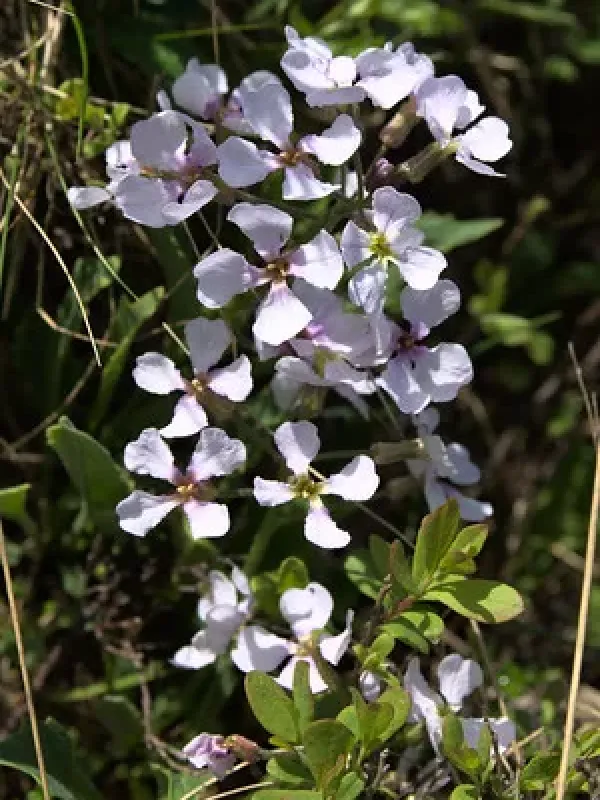
Description
Growing requirements
Parrya nudicaulis, commonly known as the naked-stemmed parrya, is a perennial herbaceous plant belonging to the Brassicaceae family. It is a quintessential representative of arctic and alpine flora, found predominantly in cold regions across the Northern Hemisphere.
The plant exhibits remarkable adaptation to harsh environments, featuring a robust taproot system designed to anchor the plant in rocky or gravelly soil substrates. Its growth habit is characterized by a basal rosette of leaves and a solitary flowering stem.
For successful cultivation, the soil must provide excellent drainage. Standing water is detrimental to the plant, as it causes rapid decay of the root neck. A substrate composed of fine gravel, coarse sand, and a small amount of organic material is recommended.
Environmental conditions should mimic alpine slopes, emphasizing high light intensity and cool temperatures. The plant thrives in areas with high air humidity but dislikes the combination of high heat and stagnant air, which can cause physiological stress.
Seasonal requirements include a cold dormancy period. In non-arctic climates, the plant may struggle to complete its life cycle if the winter temperatures are not low enough to trigger the necessary metabolic processes for spring blooming.
Main diseases and pests
The primary threats to Parrya nudicaulis are fungal pathogens that thrive in poorly drained environments. Root rot and collar rot are the most frequent causes of plant mortality in domestic cultivation settings.
Like many members of the Brassicaceae family, the plant is susceptible to crucifer flea beetles. These insects chew small holes in the leaves, which can reduce the photosynthetic capacity and aesthetic value of the specimen.
Aphids can occasionally cluster on the inflorescences during the flowering stage. If left uncontrolled, they can sap the plant's energy and lead to the deformation of the floral parts and developing seeds.
Gastropods, specifically slugs and snails, pose a significant risk to the tender foliage during damp and overcast weather. Implementing physical barriers, such as copper tape or grit, can effectively protect the plants from these pests.
To maintain plant vigor, it is essential to monitor soil health regularly. Avoiding excessive nitrogen application helps keep the plant tissues dense and resistant to both pest attacks and opportunistic infections.