
Pachyphragma macrophyllum
Pachyphragma macrophyllum
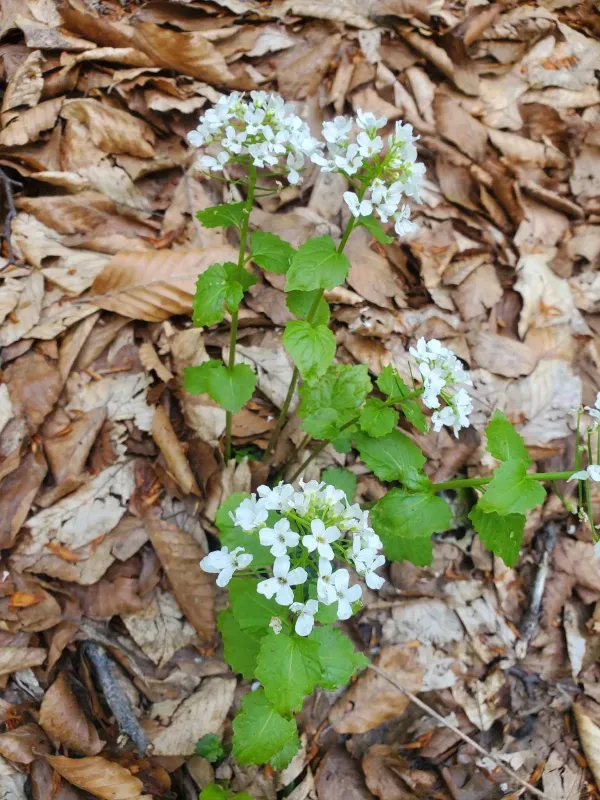
Description
Sowing dates
Pachyphragma macrophyllum is a perennial herb belonging to the Brassicaceae family. Native to the woodlands of the Caucasus and Turkey, this plant thrives in the understory of broad-leaved forests, where it forms colonies through seeds and creeping rhizomes.
The most reliable method for propagation is sowing fresh seeds in late autumn or early winter. This allows the seeds to undergo a natural cold stratification process, which is essential for uniform germination when the temperatures rise in early spring.
When starting from rhizomes, division should be performed in early spring as soon as growth begins or in late summer during the dormant phase. It is crucial to ensure that each section has viable roots and at least one bud, keeping the soil moist immediately after transplanting.
The plant grows relatively slowly, so providing a weed-free environment is vital during the establishment phase. A planting density of approximately 9–12 plants per square meter is usually recommended for establishing a solid ground cover effect.
Choose a location that replicates its natural habitat: deep or partial shade, protected from intense midday sun. Exposure to direct sunlight often leads to scorching of the broad leaves and a rapid decline in the overall vigor of the plant.
Growing requirements
This species requires cool, moist, and well-drained soils enriched with high amounts of organic matter, such as leaf mold or well-rotted compost. The soil pH should ideally be neutral to slightly acidic to promote healthy root development.
Climatically, Pachyphragma is hardy and thrives in regions with moderate temperatures and reliable moisture. It is not suitable for hot, arid climates unless specifically provided with irrigation and a shaded, humid microclimate throughout the season.
Maintenance involves keeping the soil consistently moist, especially during the spring growth flush. Mulching with natural forest litter or wood chips is highly beneficial as it regulates soil temperature and helps retain the necessary humidity levels.
The plant is tolerant of high shade, making it an excellent choice for areas under dense tree canopies where other common crops struggle. However, extremely deep shade might reduce the density of the foliage and the overall flower production.
Avoid heavy mineral fertilization, as the plant is adapted to nutrient-recycling forest floor conditions. If necessary, a light application of organic liquid fertilizer in early spring is sufficient to encourage growth without stressing the root system.
Yield
Pachyphragma macrophyllum is primarily utilized as a decorative ground cover in shade gardens. Its large, heart-shaped leaves provide year-round interest in milder climates, while its early white flowers add elegance to the spring landscape.
The plant has minor historical use as a wild edible. Young leaves and emerging flower stalks can be harvested in spring to be used in salads or sautéed, offering a flavor profile typical of the mustard family, with a pleasant, mild spice.
In terms of ecological utility, it acts as a valuable ground cover that suppresses weeds and protects the soil surface from erosion in forest-like garden conditions. It is a robust plant that requires minimal intervention once fully established.
For specialized botanical collections, this plant holds value due to its specific geographical distribution and morphological distinctiveness. It remains a rare but highly regarded choice for enthusiasts of Caucasian flora and woodland perennials.
While not a commercial food crop, its utility in permaculture and sustainable landscaping is growing. Its ability to thrive in low-light environments fills a specific niche for gardeners looking for productive yet non-demanding ornamental ground covers.
Main diseases and pests
The most significant threats to Pachyphragma are fungal infections like powdery mildew or leaf spot, which typically appear when the environment lacks sufficient airflow. Providing adequate spacing and avoiding overhead watering can help mitigate these risks.
Slugs and snails are the primary pests that damage the succulent foliage. Monitoring during damp, cool springs is essential, and physical barriers or non-toxic traps are recommended to protect the young leaves from excessive feeding.
Spider mites can become a nuisance during extended periods of drought, causing the leaves to appear discolored and wilted. Maintaining humidity around the plants through misting is a effective preventive measure against these pests.
Root rot occurs if the plant is grown in compacted soil with poor drainage. Once roots start to decay, the plant is difficult to save; therefore, ensuring high permeability in the soil mix is the primary defense against this condition.
Overall, Pachyphragma is relatively resistant to major agricultural diseases when provided with its preferred habitat. Most problems arise from environmental stress, specifically drought or lack of shade, which directly weakens the plant’s natural defenses.