
Perfoliate pennycress
Microthlaspi perfoliatum
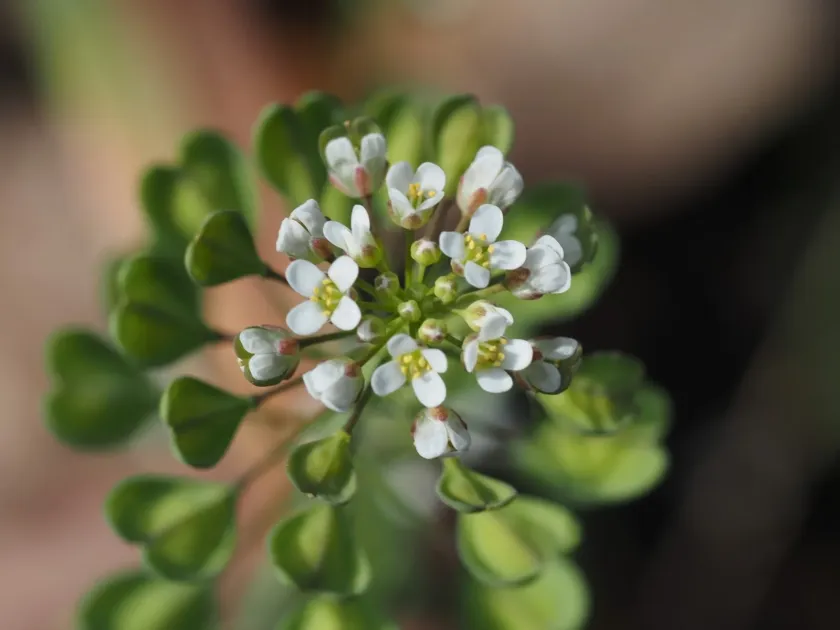
Description
Sowing dates
The perfoliate pennycress usually acts as a winter annual, germinating in the autumn or during early spring periods.
Seed germination is triggered by cool temperatures, typically ranging between 4 and 8 degrees Celsius in the topsoil layer.
Field emergence is often observed in disturbed soils, making it a common presence in early grain crop fields.
The depth of seed placement is critical, with optimal results occurring when seeds are located at a depth of 1 to 2 centimeters.
Rapid growth rates during the vegetative phase allow the plant to establish itself quickly before the main crop canopy closes.
Growing requirements
As a member of the Brassicaceae family, this species thrives in various soil types, preferring well-drained loams and sandy soils.
Nutrient availability significantly influences the size and reproductive capacity of the plants throughout the growing season.
The plant requires high levels of solar radiation and does not perform well in highly shaded areas or dense vegetative cover.
Soil moisture levels should remain moderate, as excessive waterlogging can inhibit root respiration and nutrient uptake.
The species exhibits a high degree of cold tolerance, which is essential for survival during overwintering in temperate climates.
Main diseases and pests
Major phytopathological threats include downy mildew and other fungal pathogens that affect the leaves and stems of cruciferous plants.
Insect pests, particularly flea beetles, pose a significant risk to young seedlings by consuming tissue during the emergence phase.
Aphid infestations are also common, potentially leading to stunted growth and reduced overall vigor of the plant population.
Effective management strategies should focus on crop rotation and mechanical weeding techniques during the early development stages.
Preventative actions remain the most effective way to minimize the impact of biological threats on field production cycles.