
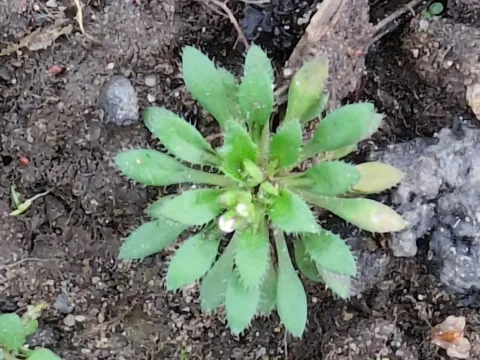
Whitlow-grass
Draba L.
Whitlow-grass (Draba L.) is a large genus of annual and perennial herbaceous plants belonging to the Brassicaceae family. These plants are widely recognized for their compact growth habit, often forming small rosettes or dense mounds, which makes them highly desirable for rock gardens, scree slopes, and alpine displays.
What the section contains

Whitlow-grass
The primary requirement for successful cultivation is full sun exposure. These plants thrive in bright light, which maintains their tight structure and promotes abundant flowering. In shaded conditions, Draba species tend to become leggy and lose their aesthetic appeal, making them unsuitable for shady garden borders.
Soil structure is critical for the health of these plants; they strictly require well-drained, gritty, or sandy soils. Heavy clay soils are generally unsuitable as they retain moisture, leading to root rot. A neutral to slightly alkaline pH is often preferred, mimicking their natural high-altitude, rocky habitats.
Draba plants are remarkably cold-hardy, having evolved in arctic and alpine environments. However, they are sensitive to winter wetness. Providing a gravel mulch around the base of the plant is an essential agronomic practice to keep the foliage and crown dry, preventing decay during the dormant season.
Watering should be done sparingly, focusing on the root zone during extended drought periods. Fertilization is typically unnecessary as the plants are adapted to nutrient-poor soils. Excessive nitrogen can lead to rapid, weak growth, reducing the plant's natural resilience to environmental stress.
The most significant threat to Draba is fungal pathogens, specifically those causing root and crown rot. This occurs primarily due to poor drainage or excessive humidity around the root collar, making consistent dryness at the base of the plant the best preventive measure.
Powdery mildew may occur if air circulation is poor, particularly in humid climates. To mitigate this risk, it is important to plant specimens at an appropriate spacing and avoid overhead irrigation, which keeps the leaf surfaces consistently damp and vulnerable to infection.
Insect pests such as flea beetles can sometimes cause minor leaf damage, particularly in the spring. If an infestation is detected, it is advisable to use targeted insecticidal sprays, ensuring the products are safe for the surrounding vegetation and beneficial pollinators.
Weed management should be conducted with care. Manual weeding is preferred to avoid damaging the shallow root systems of the plants. Using non-organic mulches, such as crushed stone or pea gravel, effectively suppresses weeds while keeping the environment dry and suitable for Draba growth.
Overall, by maintaining appropriate moisture levels and providing excellent drainage, growers can avoid most common threats. Monitoring for signs of wilting or discolored foliage allows for early intervention, ensuring the longevity and health of the plants in the garden.